
Top 12 Markets in Kenya That Showcase Local Life and Traditions
 By Axel Donovan
| Update on: Apr 09, 2026
By Axel Donovan
| Update on: Apr 09, 2026
Kenya is home to a wide variety of lively markets that play a central role in everyday life across the country, which is an invaluable source of knowledge and insight into the culture, economy, and daily life. Kenyan markets are not only places for shopping but also important social and cultural hubs, ranging from bustling open-air produce markets to vibrant craft markets showcasing traditional handmade products.
It could be a tourist who wants to buy genuine souvenirs, a food enthusiast exploring local cuisine, or a culture lover who wants to learn about local culture; these markets are unique experiences. This guide to the top 12 markets in Kenya highlights the most popular and culturally significant markets across the country, each with its own atmosphere, products, and local character. Visiting these markets is one of the most effective ways to understand Kenya beyond its famous safaris and picturesque landscapes.
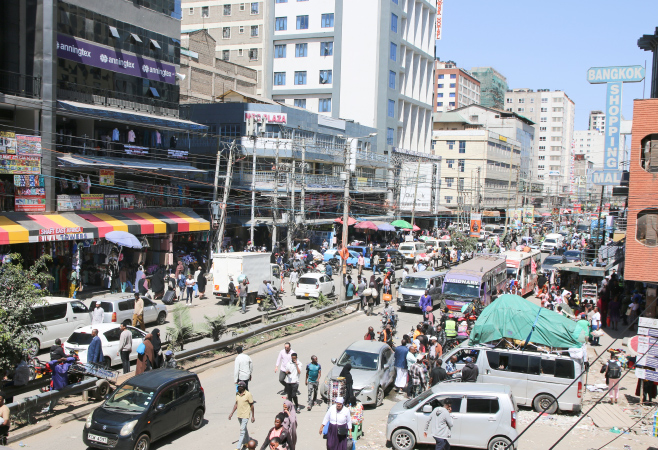
Kenya is known for its incredible wildlife, beautiful landscapes, and vibrant cultures
Why visit local markets in Kenya?
Local markets in Kenya offer an authentic cultural experience that reflects the country’s traditions and daily lifestyles. These markets are lively communal spaces where locals buy fresh fruits and vegetables, spices, clothing, and handcrafted items. By visiting them, visitors get to interact with the vendors, learn more about the traditional foods, and get to know the local practices.
Kenyan markets are also the best places where one can find unique Kenya souvenirs at reasonable prices while directly supporting small traders and local artisans. Beyond shopping, the vibrant atmosphere and daily interactions make markets unforgettable cultural spaces, offering insights into Kenya that cannot be gained from shopping malls or tourist attractions alone.
Exploring the different types of markets in Kenya
Kenya’s markets are vibrant hubs of trade, culture, and daily life, offering diverse experiences across regions:
- Open-air markets: Sell fresh food, spices, and daily goods at affordable prices
- Fresh produce markets: Supply cities with farm-fresh fruits and vegetables
- Wholesale markets: Distribute goods in bulk to businesses and retailers
- Fish markets: Common near coasts and lakes, offering fresh seafood
- Craft markets: Feature handicrafts, jewelry, and cultural items for tourists
- Mitumba markets: Popular for affordable second-hand clothing
- Livestock markets: Trade cattle and animals in rural areas
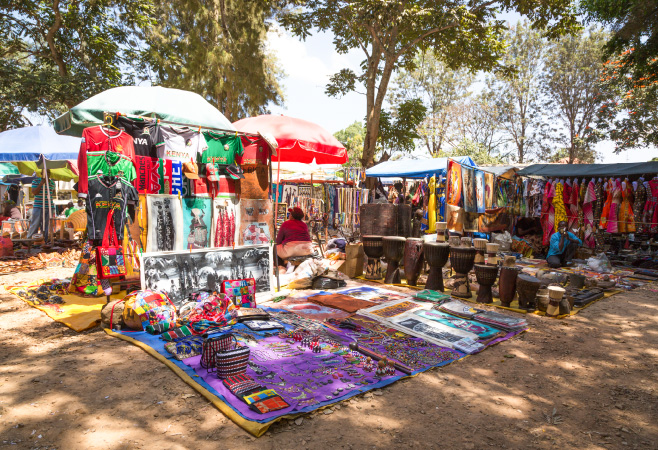
Kenya’s markets offer a diverse and dynamic landscape for local traders, small businesses, and informal commerce
Top 12 Markets in Kenya: Where culture, food, and trade meet
Kenya boasts a rich market culture that reflects the country’s diversity, traditions, and everyday life. Starting with bustling city markets and moving on to coastal food markets, each offers distinct experiences for both residents and visitors. Below are the top 12 markets in Kenya, known for their cultural significance, diverse products, and vibrant atmosphere.
Maasai Market (Nairobi)
The Maasai Market in Nairobi is one of the most well-known craft markets in Kenya, especially popular with visitors. The market is known for its vibrant atmosphere and wide variety of traditional Kenyan handicrafts created by artisans from different communities. Tourists enjoy the best handcrafted Maasai beadwork, wooden carvings, leather products, paintings, fabrics, and souvenirs as they experience the cultural heritage of Kenya.
The market operates on different days of the week at various locations across Nairobi, making it easily accessible to both locals and tourists. Bargaining is part of the experience, and friendly interactions with vendors add to the market’s charm. The Maasai Market provides one of the most memorable shopping experiences to tourists who want to experience authentic local shopping and a local cultural experience within the city of Nairobi.
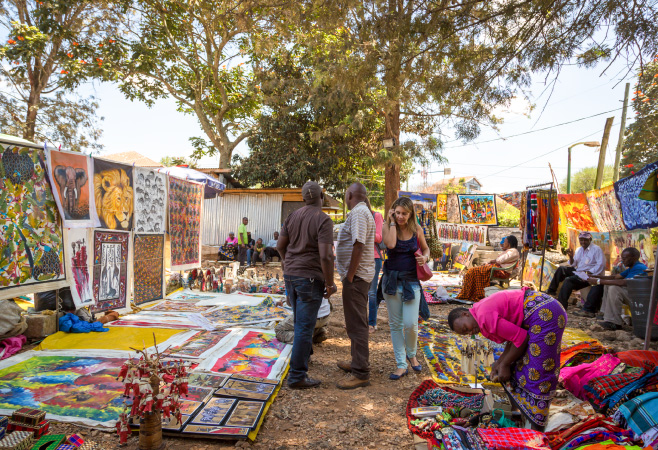
Maasai Market has to be one of the best places to purchase curios, décor items, unique African jewellery, and fabric
City Market (Nairobi)
City Market is one of the most historic markets in Kenya’s capital and is widely regarded as one of the top local markets in Nairobi. This historic market, which is situated in the center of the Central Business District, is a unique mix of culture, cuisine, and local life. Visitors can enjoy an extensive selection of fresh fruits, vegetables, spices, meat, and flowers, as well as small restaurants serving traditional Kenyan food.
City Market is frequented by both locals and tourists, making it an ideal place to explore authentic Nairobi beyond modern shopping malls. Thanks to its central location, vibrant atmosphere, and wide variety of goods, it is an easy and convenient place to experience local food and culture. With its central accessibility, historical significance, and lively daily trade, City Market remains one of the best markets in Nairobi.
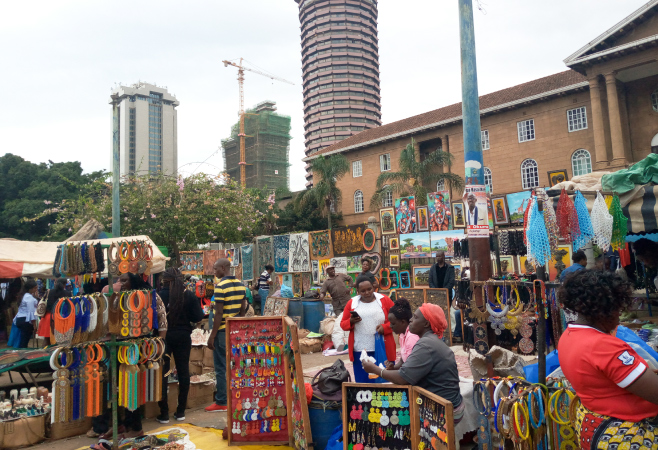
The Nairobi City Market is a beloved destination for Nairobi residents and visitors alike
Gikomba Market (Nairobi)
Gikomba Market is widely regarded as one of the largest and busiest open-air markets in Kenya and one of the most active open-air markets in East Africa. This huge market is an important part of the informal economy of Nairobi that helps to serve thousands of traders and shoppers every single day.
The Gikomba Market is particularly renowned due to its vast collection of affordable second-hand clothing, which is locally referred to as mitumba, fresh goods, household goods, and recycled materials. The market is most active in the early morning, when traders receive new stock and prices are at their lowest. Although Gikomba is a place that cannot be matched anywhere in terms of diversity and bargaining, visitors should be on high alert since it is often crowded with people. Gikomba Market is a rough, vibrant, and unforgettable cultural experience for tourists who want to have an authentic glimpse into the everyday life of Nairobi.
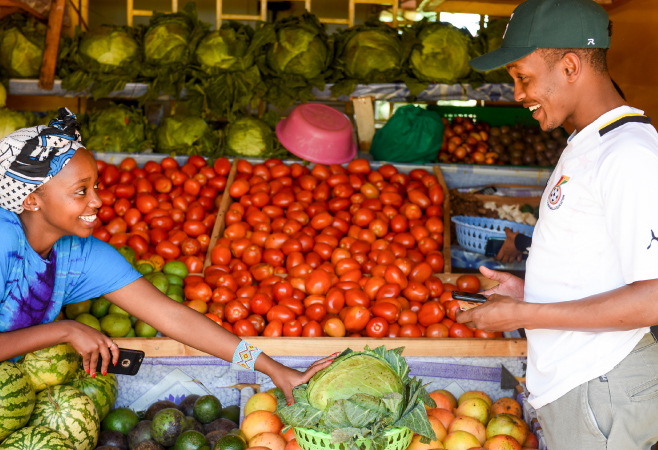
The market includes sellers of a wide range of goods, including food and clothing
Toi Market (Nairobi)
Toi Market in Kibera, Nairobi, is a popular local market that attracts a large number of shoppers, particularly low-income earners and young fashion-conscious buyers. The market is best known for its wide range of affordable clothing, footwear, and accessories, including both new and second-hand items. Toi Market is a colorful center of daily trade, as many Nairobi citizens come here to find fashionable clothes at reasonable prices.
Unlike tourist-focused markets, Toi Market offers a genuine insight into everyday urban life, with active bargaining and constant movement. Weekends are the busiest days, as vendors display new stock and the atmosphere becomes especially lively. Toi Market is a convenient and culturally diverse place to visit for visitors who want a real Nairobi shopping experience without spending too much.
Kongowea Market (Mombasa)
Kongowea Market is one of the largest and most important open-air markets serving Mombasa and the surrounding coastal region. The market is situated in the Nyali region and is busy during the early mornings, serving locals and traders from across the coastal region. Kongowea Market is especially known for supplying tropical fruits, vegetables, spices, and household goods to Mombasa and the surrounding areas.
It is a very rich Swahili and coastal culture, as the market is very vibrant with people moving in and out to do business. Kongowea Market provides an intriguing insight into daily life on the Kenyan coast to those touring the country who want to venture beyond beaches and resorts.
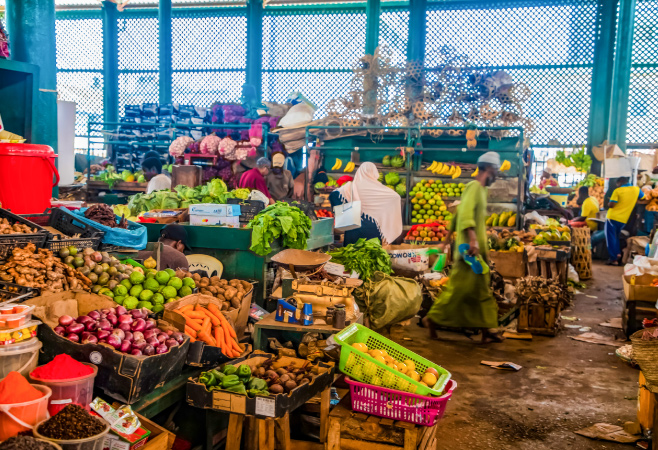
Kongowea Market in Mombasa is a bustling open-air market offering a wide variety of goods from clothing to fresh produce
Marikiti Market (Mombasa)
Marikiti Market is a major distribution centre on the Kenyan coastline, and it is one of the most significant wholesale markets in Mombasa. Located near Mombasa’s Old Town, Marikiti Market is commonly known as an early-morning market where trucks deliver produce from inland farming regions of Taita Taveta, Kilifi, and the Rift Valley.
Hotels, restaurants, and local retailers are supplied with bananas, tomatoes, onions, and mangoes, and other staple foods in the market. Unlike tourist-oriented markets, Marikiti Market offers a raw and authentic glimpse into everyday life in Mombasa. The atmosphere is busy, noisy, and fast-paced, especially before sunrise. Marikiti Market is also a unique cultural experience for the visitor who is interested in local commerce and food supply chains.
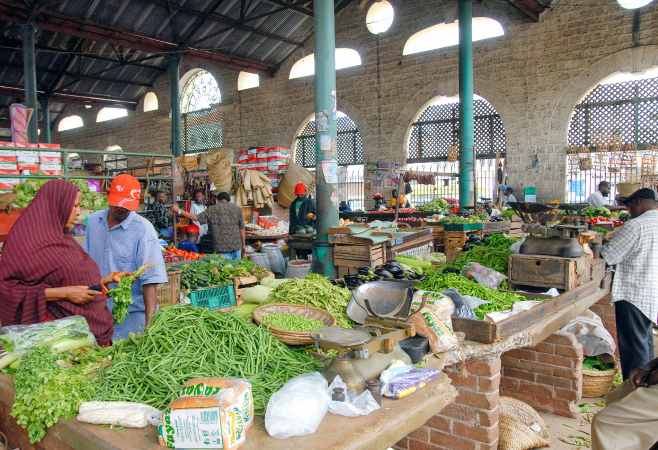
Marikiti Market is Mombasa’s vibrant hub for fresh produce, spices, and local Kenyan life
Kibuye Market (Kisumu)
Kibuye Market is a dynamic and important trading center in western Kenya and is considered one of the best markets in Kisumu. It is a large open-air market located just outside Kisumu’s city center, which is very important in providing the local people with fresh produce, grains, and fish. The market is especially known for its fish section, selling freshly caught tilapia and Nile perch from Lake Victoria.
Other than food, household goods, clothes, and farm supplies are also provided at low prices in the market. The bustling business, the colorful stalls, and the never-ending motion of traders suggest the everyday flow of the economy of Kisumu. Kibuye Market is a genuine experience of the local life in western Kenya for the people who come to explore it.
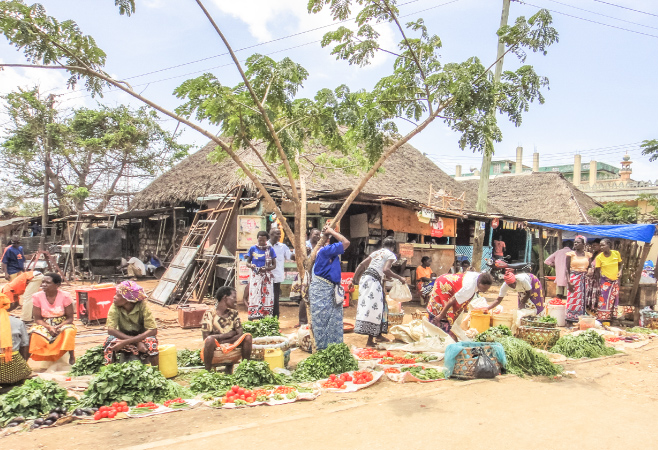
Kibuye Market is a bustling hub where people buy and sell everything from fresh produce and spices to clothing and crafts
Wakulima Market (Nakuru)
Wakulima Market is one of the most significant local markets in Nakuru, used by the urban population and local communities, including the farming communities. This is a busy marketplace adjacent to the town center of Nakuru, and it is a major distribution center of fresh agricultural produce from the fertile Rift Valley area.
The range of items sold by traders is very broad, which includes fruits, vegetables, grains, and potatoes at reasonable prices that attract households, retailers, and even food vendors in large numbers. The market is the busiest during the early morning when farmers bring fresh supplies to the market directly out of the rural regions. Despite being busy and bustling, the Wakulima Market provides a unique insight into the agricultural economy and the local lifestyle in the town, and is one of the interesting places a visitor to Nakuru can visit.
Eldoret Main Market (Eldoret)
Eldoret Main Market is a major business and social center in the western region of Kenya and is generally regarded as one of the best markets in Eldoret. The market, being close to the town center, is a vital source of agricultural products produced in the Rift Valley area, which is known as the breadbasket of Kenya.
Sellers in this place offer fresh vegetables, fruits, grains, dairy products, and livestock products at reasonable prices. Business is at its best during the morning when farmers arrive with a supply of fresh goods in the urban market. Other than shopping, Eldoret Main Market provides tourists with an insight into the rich farming culture and community in the town. This market is quite an excellent place to visit if a person has an interest in local food systems and real experiences.
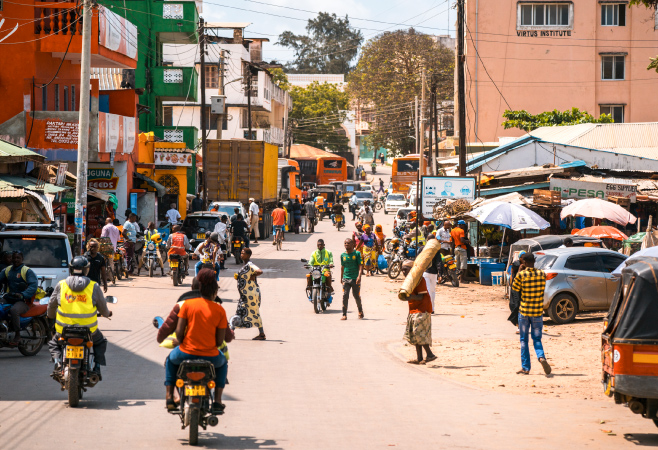
The market is located near Eldoret’s town center, making it easily accessible to both locals and tourists
Malindi Market
Malindi Market is a vibrant and bright local market in the coastal town of Malindi, Kenya. It is a significant part of everyday life that serves residents and visitors with numerous types of fresh products. The market is particularly identified by the richness of tropical fruits, vegetables, fresh fish, and scented coastal spices. There are also local snacks, coconuts, and other traditional Swahili ingredients being sold by the vendors, which are part of the local cuisine in the coastal areas.
The Malindi Market is a manifestation of the mash-up of the African, Arab, and coastal culture of the town, making it a lively and friendly place. The market is the busiest in the morning when fishermen bring fresh catches from the Indian Ocean, and traders replenish their stores. To visitors of the Kenyan coast, the Malindi Market gives an authentic experience of local trading business and Swahili culture.
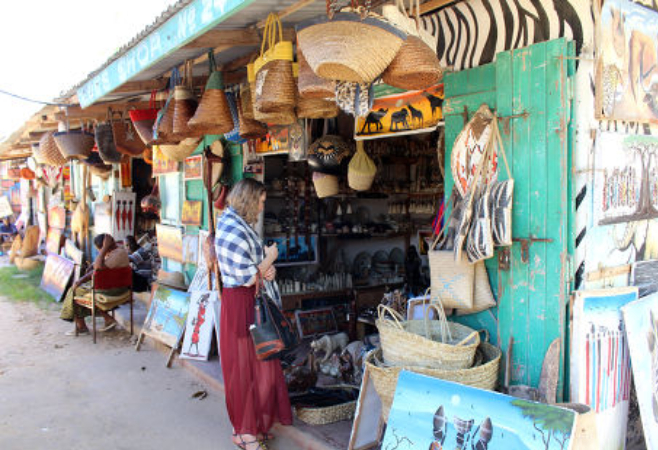
Malindi Market feeds locals, with Khalid’s store a trusted source
Nyeri Open Air Market (Nyeri)
Nyeri Open Air Market is an active and well-organized local market in Nyeri town, located at the foothills of Mount Kenya. It is a significant trading location among the local rural communities, particularly small-scale farmers in central Kenya. The market is well known for fresh vegetables, fruits, grains, bananas, and dairy products sold at affordable prices. Nyeri Open Air Market is relatively small and peaceful compared to larger urban markets, allowing visitors to explore comfortably and interact easily with local vendors.
The market reflects both the agricultural richness of the land and the everyday life of the Kikuyu community. For tourists seeking a genuine local experience away from large tourist crowds, Nyeri Open Air Market offers an authentic glimpse into life in central Kenya.
Meru Main Market (Meru)
Meru Main Market is the main trading center of Meru town, located on the eastern slopes of Mount Kenya. This open-air market plays a crucial role in the local economy by linking rural farmers with urban buyers. Meru Main Market also offers a wide range of fresh farm produce such as bananas, avocados, vegetables, grains, and the infamous miraa (khat) of the region.
The market operates daily and is especially active in the morning, when traders bring freshly harvested produce. In addition to food items, vendors also sell household goods, clothing, and farming supplies. With its vibrant energy and strong local character, Meru Main Market offers visitors a clear picture of daily life and commerce in eastern Kenya.
What to buy at Kenyan markets
Kenyan markets offer a rich mix of products that reflect local culture and daily life. Here are popular items to buy:
- Fresh produce: Fruits and vegetables like mangoes, avocados, sukuma wiki
- Spices and ingredients: Pilau masala, grains, beans, maize flour
- Fish and seafood: Tilapia, Nile perch, prawns, especially near lakes and coast
- Handicrafts: Maasai beadwork, wood carvings, baskets, souvenirs
- Clothing and fabrics: Mitumba clothes, kitenge, kikoy
- Jewelry and accessories: Handmade beads, leather and metal items
- Household goods: Utensils, baskets, farming tools
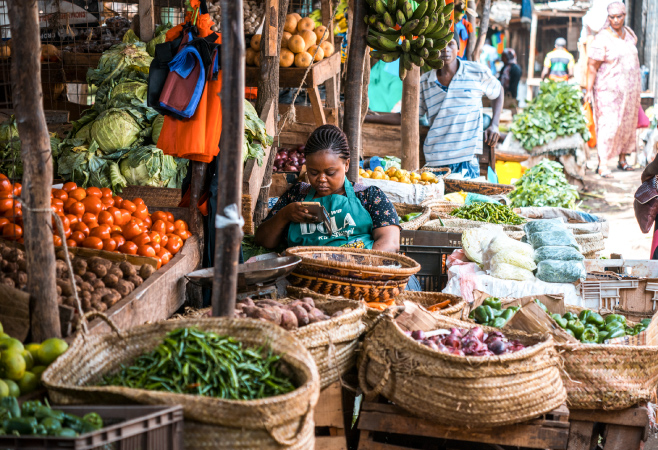
Kenya is famous for its coffee/tea & fresh fruits
Travel tips for visiting markets in Kenya: Bargaining, safety, and etiquette
Exploring local markets in Kenya is exciting but can be overwhelming for first-time visitors. Here are practical tips for a safe and enjoyable experience:
- Go early: Fresh goods, better prices, fewer crowds
- Use small cash/M-Pesa: Easier transactions, keep money secure
- Bargain politely: Common practice, stay respectful
- Dress comfortably: Light clothes, closed shoes for crowded areas
- Watch your belongings: Stay alert in busy markets
- Ask before photos: Respect vendors’ privacy
- Check food hygiene: Choose clean, busy stalls
- Learn basic Swahili: Simple greetings improve interactions
- Be patient: Enjoy the local pace and culture
Conclusion
To sum up, a visit to the top 12 markets in Kenya is not only a great shopping experience but also a profound and genuine experience of the Kenyan culture, traditions, and life in general. Whether it is the busy urban markets such as Gikomba market and City market or the regional markets such as Kibuye, Kongowea, and the Meru main market, each of the destinations is a representation of the diversity of the people and the landscapes in Kenya. Visiting these markets will enable the travelers to positively engage the local communities, sample fresh farm produce, find out about the existence of the handmade crafts, and most importantly, enjoy the real beat of Kenyan life beyond typical tourist attractions.
Related Articles
- Distance from Tanzania to Kenya: Flight & Road Guide
- Pakistan to Kenya Distance: Routes, Flights & Tips
- Kenya Travel Updates 2026: Key Changes International Travellers Should Know
- Kenya to Nigeria Distance: Flights, Time and Routes
- Distance from Kenya to India: Complete Travel Guide
- Kenya Trip Cost From India: Complete Budget Guide for Indian Travelers
- Kenya Safari Packages from UAE: Prices, Itineraries & Travel Guide
- Traveling from Australia to Kenya: Complete Guide

 NEED HELP 24/7
 United States
  United Kingdom
  Singapore
  Viber
Viber 


