
A Tourist’s Guide to Tipping in Kenya: When and How Much to Tip
 By Axel Donovan
| Update on: Mar 18, 2026
By Axel Donovan
| Update on: Mar 18, 2026
Kenya is one of Africa’s most popular travel destinations, known for its incredible wildlife safaris, stunning landscapes, and rich cultural heritage. When visiting the Masai Mara or just having a vacation on the Indian Ocean coast, visitors are likely to interact with various service providers in the course of their visit. Understanding tipping practices in Kenya helps travelers show appreciation for good service while respecting local customs.
Although tipping is not mandatory in Kenya, it is widely practiced in the tourism and hospitality industry. Restaurants, hotels, safari lodges, and tour services receive relatively low base salaries; therefore, tips can be a significant source of income. Knowing when and how much to tip can help you to get along better and show respect to people.
This guide describes the tipping culture in Kenya, including the amount of tips to give in restaurants, hotels, and safari tours, and relevant tips on etiquette that a tourist should observe when visiting the country.

In Kenya, tipping is a common way to show appreciation for good service
- Is Tipping Expected in Kenya?
- How Much to Tip in Kenya
- Tipping Safari Guides in Kenya
- Tipping in Hotels and Lodges
- Tipping Tour Drivers and Airport Transfers
- Tipping in Restaurants and Cafés in Kenya
- Currency and Practical Tipping Tips
- Tipping Mistakes Tourists Should Avoid
- Cultural Etiquette for Tipping in Kenya
Is Tipping Expected in Kenya?
Overview of tipping culture in Kenya
Tipping in Kenya is both welcome and not mandatory. Tipping is regarded as a sign of appreciation for good service given by staff in most service industries, especially those related to tourism.
Why tipping is common in the tourism industry
The tourism industry in Kenya has thousands of people working in it, with safari guides, drivers, hotel staff, and restaurant workers. In most situations, the tips are used to supplement their earnings and honor superb service offered to the travelers.
When tipping is not necessary
Tipping is not normally expected in casual places such as small shops, supermarkets, fast-food restaurants, or self-service cafes. Nevertheless, it is not a bad thing to leave small change or round up the bill.

When you visit Kenya, you might notice that tipping is not just a courteous gesture but an essential part of the local culture.
How Much to Tip in Kenya
Restaurant tipping etiquette
Tipping is common in restaurants across Kenya, especially in tourist areas and major cities like Nairobi and Mombasa. The typical tip ranges from 5% to 10% of the overall bill based on the service quality.
It’s important to check your bill before tipping, as some restaurants include a service charge of around 10%, and it is added automatically. If a service charge is already included, leaving an additional tip is optional but appreciated for excellent service. In the smaller local restaurants or cafes, the customers can just leave small change or round off the total as a way of thanking them.

Dining out in Kenya offers a delightful culinary experience, but understanding tipping practices can enhance your visit.
Tipping taxi drivers
Taxi drivers in Kenya appreciate small tips, although tipping is not mandatory. Although most of the travelers round off the fare to the nearest convenient amount, particularly in short trips. In cases of longer journeys or where the driver helps passengers with luggage or gives useful local knowledge, passengers may add a small tip as a gesture of appreciation. In ride-hailing applications like Uber or Bolt, it is acceptable both to tip over the app or to provide direct cash to the driver.
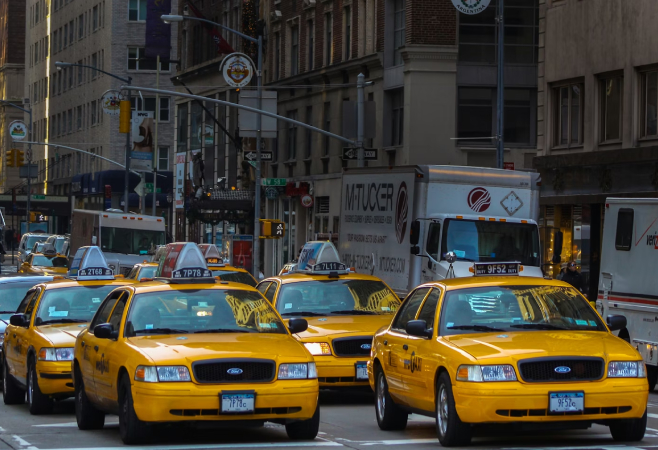
Getting around the streets of Kenya often involves taking a taxi, where a small tip can go a long way in showing appreciation
Tipping hotel staff
Tipping hotel staff is a widespread tradition in most hotels and safari lodges in Kenya. Visitors will usually give tips to employees who provide helpful services to guests. Typical tipping guidelines in hotels include:
- Porters: $1–$2 per bag
- Housekeeping: $2–$5 per day
- Concierge services: optional, depending on the level of assistance provided
Tipping Safari Guides in Kenya
Safari guides play a key role in creating memorable wildlife experiences for travelers in Kenya. They help tourists spot wildlife, explain local ecosystems, and keep tourists safe during the tour.
1. Recommended tipping amounts for safari guides
Tourists tend to leave tips for safari guides at the conclusion of the safari. Although the exact amount may vary based on the service quality and the length of a tour, the general tipping recommendations include:
- Safari guide: $10 – $20 per person per day
- Safari driver: $5–$10 per person per day
In some cases, travelers choose to pool their tips, especially when one person acts as both driver and guide.

A common guideline is to tip around $10 per person per day during the safari
2. Group tipping during safari tours
In group safari tours, travelers often pool their tips and give them as a gift at the conclusion of the safari. This facilitates the process and gets the guide a good share of the totality of the group.
3. Tipping at safari lodges and camps
Most safari lodges and camps offer a common tip box where guests may leave tips for staff members, like cooks, housekeepers, and camp assistants. These tips are later distributed among the staff.
4. Best way to give tips
The tips are normally paid in cash, either in the form of Kenyan shillings or US dollars. The travelers can also hand the tip directly to the guide or put it in an envelope as a form of courtesy at the end of the safari.
Tipping in Hotels and Lodges
1. Lodge staff tipping etiquette
Tipping in hotels and safari lodges in Kenya is a widespread aspect of travelers expressing their gratitude towards good service. Most safari lodges and luxury hotels would urge their visitors to place tips in a central tip box that is in the reception area. These tips are then shared among staff members, including housekeepers, kitchen staff, and maintenance teams.
The employees who will get the tip box can be housekeepers, kitchen staff, maintenance personnel, waiters, and other employees of the lodge who add to the overall guest experience. Through a common tipping system, lodges make sure that all the staff members working in hospitality services are given a share of the gratuities. Visitors usually leave a little amount of money on a daily basis or offer a tip at the end of their visit.

Tipping in coast and city hotels tends to be expected, and Ksh100 or Ksh200 would not be out of place on arrival for seeing you to your room with your bags.
2. When to tip individually
As much as shared tip boxes are common, travelers can still opt to give tips to some members of staff separately in case they have been served exceptionally. As an example, guests may give tips to a particularly helpful porter, an attentive waiter, or a staff member who goes out of their way to assist during the stay.
Personal tipping is typically provided, quietly and in a straightforward manner, to the employee in a personal manner of appreciation. This is done in an effort to appreciate excellent service without disregarding the culture of sharing tips that is prevalent in most Kenyan lodges and hotels.
Tipping Tour Drivers and Airport Transfers
Tipping is a usual form of appreciating good service in Kenya during travel. Taxi drivers who offer airport shuttle or personal transport usually help to carry luggage, give local tips, and make the process of travel a little smoother. Although tipping is not compulsory, a small tip is a way of being courteous, which most of the travellers like to present.
1. Airport transfer drivers
Upon their arrival in Kenya, several tourists adopt airport transfer services to their hotels or safari lodges. Though the tipping is not obligatory, a small tip is generally welcomed to show the driver the gratitude of his/her service. Airport transfer drivers tend to assist passengers with their baggage, give them information about the city, and make their ride comfortable between the airport and their destination.
Rounding up the fare or giving a small cash tip is a common practice. Indicatively, tourists can pay an additional sum of Kenyan shillings when helping with heavy luggage or giving them good traveling tips on the region. Although not every short ride requires tipping, it is also a show of courtesy on the part of the driver when he or she offers a warm and professional service.
2. Private drivers
Sightseeing tours, safari trips, or day excursions are usually contracted to private drivers. In such instances, the tipping is more frequent since the driver could spend hours helping the travelers, navigating routes, and telling them about the locality.
When you have a driver accompanying you for a full day or several days, it is usually a sign of gratitude to give a tip on a daily basis. This will be subject to change based on the duration of the trip and the nature of the service. In the majority of cases, the tip is offered by travelers at the end of the service or the last day of the journey.
Offering a tip to a private driver is a thoughtful way to show appreciation for their hard work and professionalism, while also enhancing the overall travel experience.
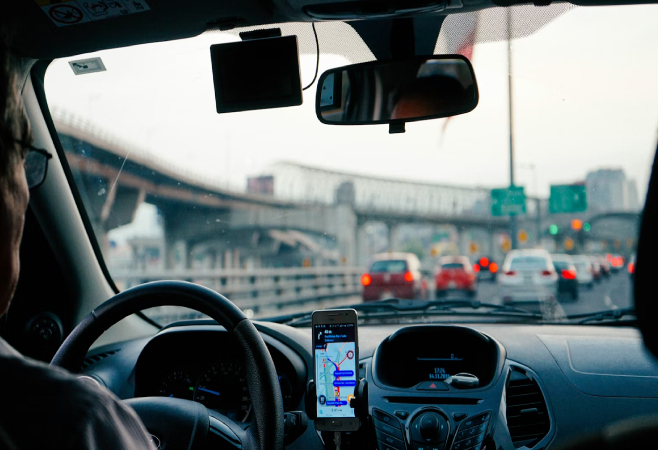
When tipping taxi drivers, the norm is to round up the final fare and leave the driver with the change
Tipping in Restaurants and Cafés in Kenya
Tipping in restaurants and cafés in Kenya is generally appreciated but not always required. In most restaurants, customers often leave a tip to show appreciation for good service, particularly those in tourist areas or major cities such as Nairobi and Mombasa, is usually left by customers who appreciate good service by the employees. Knowing the culture of tipping in local areas can also enable travelers to show appropriate appreciation as they experience the Kenyan food culture.
Service charge policies
There are restaurants in Kenya that already add a service charge to the final bill, which is typically around 10%. This fee is to compensate employees for their service. Diners should look at their bill before adding a tip to find out whether a service charge has been charged. When it is added, one can leave an extra tip, but it is not compulsory.
When to add extra tips
Even in cases where service charge is paid, clients have been known to tip an extra on the exceptional service. As an example, when the staff is especially attentive, helpful, or makes personal recommendations, even a small extra tip may serve as a form of gratitude as a gesture of appreciation.
Cash vs card tipping
Cash tips are common in Kenya, particularly in smaller restaurants and cafes. Some of the bigger places will take a tip added onto a card payment, but it is best to give the cash directly to the server, as the tip will go to the employee with whom one has interacted.

In fine dining establishments, it’s customary to tip around 10-15% of your bill if service isn’t included
Currency and Practical Tipping Tips
Preferred currency for tipping
Tips in Kenya are normally presented in the form of Kenyan Shillings (KES), the local currency. Small denominations are convenient in tipping drivers, waiters, porters, and other service staff that they interact with on a daily basis. Small businesses and local workers prefer tips in Kenyan shillings, as they are easier to use, would want to receive tips in Kenyan shillings as it is more convenient to use at the moment.
Using US dollars
Tips may also be taken in US dollars in certain safari lodges, luxury camps, or in international hotels. This is particularly prevalent in safari tourism, where foreign tourists are very common. Nevertheless, when it comes to services that are used daily, like taxis, restaurants, or small businesses, Kenyan shillings are typically more practical and widely accepted.
Be discreet when tipping
Tipping in Kenya is normally done in a quiet and polite way. Travelers can either give the tip directly to the employee or leave it in a special tip box in case the hotel/ lodge has one. This is deemed a respectful approach, and it aids in preserving a professional interaction.
Tipping Mistakes Tourists Should Avoid
Over-tipping or under-tipping
Travelers can find it useful to learn some general tipping expectations in Kenya. Although it is welcome, very large tips are not always necessary, and tipping too little in service settings may appear impolite.
Forgetting to check for service charges
Before leaving a tip, travelers are always supposed to look at their restaurant bill first. Other restaurants, notably those in large cities or tourist destinations, already have a built-in service charge, typically 10 per cent.
Tipping in inappropriate situations
In Kenya, not all services are accompanied by a tip. Small retail stores, supermarkets, kiosks, and self-service establishments generally do not expect gratuities.
Cultural Etiquette for Tipping in Kenya
Kenyan culture highly regards respect and politeness. In cases of tipping, it is usual to appreciate the staff member and thank him/her in a friendly and respectful way.
Even such simple gestures as “thank you” or “the Swahili word asante" may make the interaction more meaningful. A tip that is accompanied by good words is usually perceived to be a considerate gesture to appreciate good service.
Conclusion
Learning about tipping in Kenya will enable tourists to move around the hospitality industry in the country with ease. Although not mandatory, tipping is an important way to acknowledge the efforts of guides, drivers, hotel employees, and restaurant staff who help make the travel experience unforgettable.
Through simple knowledge on tipping and the need to honor local traditions, visitors may express gratitude to good service, besides retaining employment of individuals in the tourism business. Whether having a safari adventure, staying in a safari lodge, or having dinner in a local restaurant, considerate tipping can add to the experience of the traveler as well as to the livelihood of the people who make Kenya such a friendly place to visit.
Besides the travel planning, the visitors are also required to prepare the required entry documents. Travelers must obtain an Electronic Travel Authorization (ETA) through an Electronic Travel Authorization (ETA). In order to get the ETA easily, the visitors should visit the Kenya Immigration Services, where they may fill out the online application and be granted the travel authorization before traveling to Kenya.
Related Articles
- Distance from Tanzania to Kenya: Flight & Road Guide
- Pakistan to Kenya Distance: Routes, Flights & Tips
- Kenya Travel Updates 2026: Key Changes International Travellers Should Know
- Kenya to Nigeria Distance: Flights, Time and Routes
- Distance from Kenya to India: Complete Travel Guide
- Kenya Trip Cost From India: Complete Budget Guide for Indian Travelers
- Kenya Safari Packages from UAE: Prices, Itineraries & Travel Guide
- Traveling from Australia to Kenya: Complete Guide

 NEED HELP 24/7
 United States
  United Kingdom
  Singapore
  Viber
Viber 


