
Weather and Climate in Mombasa: Best Time to Visit
 By Axel Donovan
| Update on: May 22, 2026
By Axel Donovan
| Update on: May 22, 2026
Mombasa, the second-largest city in Kenya, is a vibrant coastal city located along the Indian Ocean. Mombasa is well known for its white-sand beaches, Swahili culture, and historic sites, which attract visitors throughout the year. Its warm and predictable tropical climate is one of the main reasons for its popularity. Understanding the weather in Mombasa helps travelers plan the ideal beach vacation, cultural tour, or corporate visit.
This guide provides a comprehensive overview of Mombasa’s weather, such as temperature, rainfall, humidity, sea conditions, and the best time to visit.
- Overview of Mombasa’s climate
- Temperature in Mombasa throughout the year
- Rainfall and wet seasons in Mombasa
- Dry season and best weather conditions
- Understanding Mombasa weather month by month: What to expect all year
- Humidity and coastal weather effects
- Sea temperature and beach conditions
- Best time to visit Mombasa based on weather
- What to pack for Mombasa’s weather
- Weather tips for travelers
- Conclusion
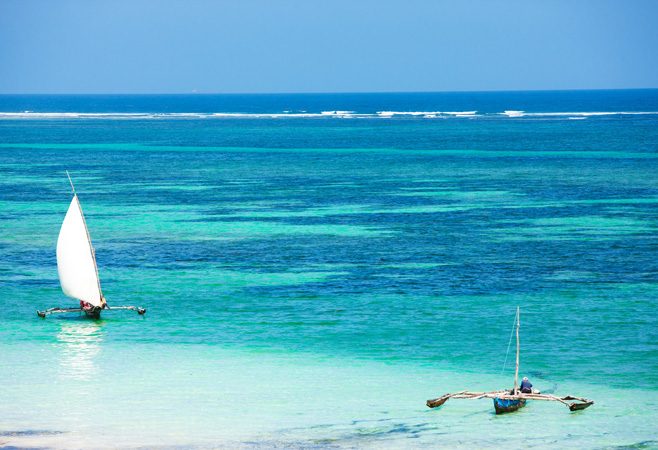
Mombasa has a humid coastal climate typical of East Africa
Overview of Mombasa’s climate
Mombasa has a tropical climate that is affected by its proximity to the Indian Ocean and its location near the equator. The city experiences warm temperatures throughout the year, with very little seasonal variation compared to inland areas of Kenya. The average daytime temperature is typically between 28°C and 32°C, while nighttime temperatures remain comfortably warm and rarely fall below 22°C.
High humidity, which is characteristic of coastal areas, also plays a role in the climate in Mombasa. Humidity levels increase during the rainy seasons but are moderated by the frequent sea breezes, which cool the air, particularly in the early mornings and evenings. These ocean winds make the heat more bearable for both locals and visitors.
The city of Mombasa has two rainy seasons: the long rains that occur between the months of March and May, and the short rains that occur during the months of October to November. Rainfall usually occurs in short, heavy showers rather than prolonged periods of rain. Overall, Mombasa’s climate is stable, warm, and favorable for tourism throughout the year.
Understanding the overall season in Kenya helps explain why Mombasa remains a year-round travel destination.
Temperature in Mombasa throughout the year
Mombasa experiences warm temperatures throughout the year with minimal seasonal fluctuation. Temperature during the day is usually between 28°C and 32°C, with temperatures dropping to 22°C and 26°C at night. This warmth is constant, and therefore, the city is a year-round destination for travelers. This consistency makes it easier for visitors to determine the best time to visit Kenya based on their travel preferences.
Hottest Months (January to March)
The hot season in Mombasa is between January and March. Temperatures may reach more than 32°C in the day, and with the humidity, they can make afternoons especially hot during these months. However, coastal sea breezes usually provide relief, particularly in the evenings.
Cooler Months (July to September)
Generally, the coolest months are July, August, and September. The temperatures at this season are somewhat lower, with an average of 27°C to 29°C in the daytime. It is a season that international tourists love as it is more comfortable at night.
Daytime vs. Nighttime temperatures
Although the days are generally hot and sunny, evenings and early mornings are noticeably cooler in Mombasa. This comfortable evening temperature allows visitors to enjoy outdoor dining, beach walks, and nightlife activities in Mombasa.
In general, the warm and stable weather in Mombasa provides an advantageous situation for tourism, outdoor activities, and beach holidays year-round.
Which is the wettest month in Mombasa?
April is typically the wettest month in Mombasa
April falls within the long rainy season (March to May) and is usually blessed with the most rainfall of the year. In this period, there is usually heavy tropical rainfall that is received in heavy rains and often accompanied by thunderstorms, but there is no continuous rain all day.
Due to the heavy rainfall, April is regarded as the low tourist season, although it may be warm and sometimes clear in between the rains.
Which is the driest month in Mombasa?
February is normally the driest month in Mombasa.
February falls within the main dry season, and it rains very little; there is ample sunshine, and it is hot. Because of its dry and stable weather, February is one of the best months for beach activities, snorkeling, and outdoor sightseeing in Mombasa.
During sunny months, visitors can comfortably explore every major shopping mall in Mombasa while enjoying the city’s warm coastal climate.
Rainfall and wet seasons in Mombasa
The weather in Mombasa is strongly influenced by rainfall. The city experiences two main rainy seasons:
Long rains (March to May)
- This is the rainiest season of the year.
- The highest rainfall is normally experienced in April.
- Rainfall usually comes in heavy but brief tropical showers.
- Some outdoor activities may be disrupted during this period.
Short rains (October to November)
- Not as strong and long as the long rains
- The rainfall is normally sporadic and short.
- Travel is generally still convenient during this period.
Even during the rainy seasons, Mombasa often enjoys sunny mornings or clear skies between showers.
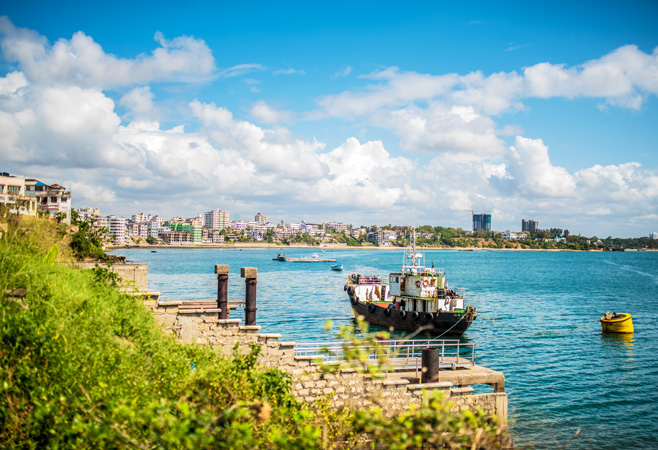
Mombasa has wet and dry seasons instead of summer and winter
Meanwhile, inland conditions such as Kenya Nairobi weather may differ slightly, offering alternative travel options.
Dry season and best weather conditions
The dry season in Mombasa is widely regarded as the best time to enjoy the perfect atmosphere of the city. This season has good weather conditions of low rainfall, a lot of sunshine, and lower humidity levels, which makes it good to spend on beach holidays, sightseeing, and outdoor activities. Knowing the nature of the dry season helps travelers choose the most suitable time to visit and plan and organize their activities more efficiently.
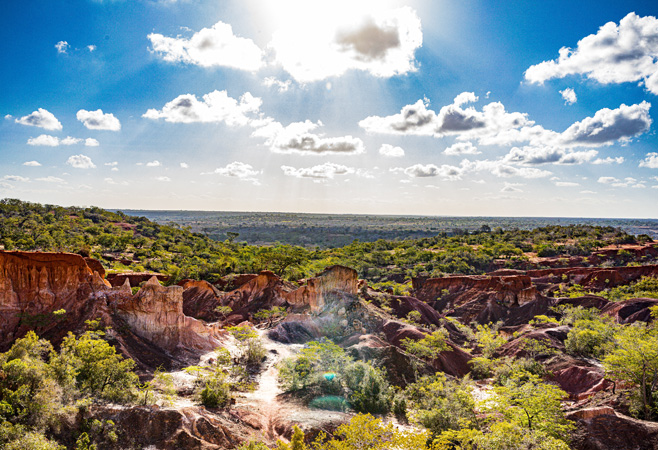
Sunshine plays an important role in your holiday enjoyment of the Mombasa sand and sea lifestyle
Duration of the dry Season
The dry season at Mombasa is typically experienced between June and September, and also between December and early March. These months have very little rain, and the days are generally sunny and bright. These seasons also match the high tourism seasons as the weather is favorable.
Temperature during the dry months
The dry season is still warm, although temperatures are more comfortable than during the hot and humid months. During the day, the temperature is normally between 27°C and 30°C, and in the evenings, it is cooler and more comfortable. This balance allows tourists to spend more time outdoors comfortably.
Humidity and comfort levels
Despite the fact that Mombasa is a coastal city with naturally great humidity, the humidity is generally lower during the dry season. This is added to the constant ocean breezes to make the climate a more comfortable one, particularly during the afternoons. It is a season that many travelers consider best to take a walking tour, a cultural tour, and even enjoy outdoor food.
Ideal conditions for beach and marine activities
Dry season offers one of the most favorable conditions in terms of swimming, snorkeling, diving, and dhow cruises. The weather at sea is normally more relaxed, the visibility is improved, and the beaches are sunnier. These are especially the months when the marine parks and coral reefs on the coast are popular.
Best time for sightseeing and outdoor exploration
Reduced rainfall implies that there are reduced inconveniences in travel arrangements. During dry weather, historical sites, including Fort Jesus, Old Town, and nature attractions within and around Mombasa, are easy to visit. The road conditions are also improved, which makes day trips more convenient.
Tourism and travel planning considerations
Due to the fact that the dry season is the most favorable season, the accommodation prices during the season might be higher, and the famous resorts can be occupied quickly. Flight and hotel bookings are advisable to have the best choice and prices.
Travelers visiting during the low season can easily find comfortable and affordable stays at many cheap hotels in Mombasa near the coast.
Understanding Mombasa weather month by month: What to expect all year
Mombasa is a tropical coastal city and is characterized by warm temperatures all year long with little seasonal difference. Temperatures do not vary significantly, but rain and humidity fluctuate significantly between months, affecting the weather conditions of traveling and outdoor activities. A month-by-month comparison will be listed below to assist the travelers in planning their visit more efficiently.
- January: is very hot, and is largely dry with a daily average temperature of 31 - 32 °C. The rainfalls are minimal, the skies are mostly clear, and it is perfect weather to enjoy the beach and sightseeing.
- February: is usually the driest month in Mombasa. It is sunny and very hot, humid, which makes it an excellent place to swim, snorkel, and do any other activity related to the coast, but the heat can be overwhelming in the middle of the day.
- March: The temperatures are hot in March, and the humidity starts rising. Toward the end of the month, rainfall gradually increases as the long rainy season approaches.
- April: The month of April is normally the rainiest. Rainfall is heavy and normally takes place in brief bursts instead of being prolonged. Traveling can continue, albeit unpredictably, because of frequent rainfall.
- May: It also rains, but the intensity of the rainfall reduces throughout the month. The landscape becomes greener and more lush, and the number of tourists is also reduced, which makes it the perfect destination for those who want to find less noisy places.
- June: The onset of the cool dry season is in June. The precipitation is much lower, the climate is more comfortable with the humidity, and the average daytime temperature is 28- 29 C.
- July: In July, it is dry and somewhat cooler by the coastal standards. The climate allows one to relax by sightseeing, exploring outdoors, and spending more time at the beach in Mombasa.
- August: August is the dry season, which is characterized by low temperatures and rainfall. It is regarded as the month of the year when Mombasa can be visited best.
- September: September is stable and dry, days are hot and evenings are cool, and the conditions can be described as perfect to travel.
- October: The short rainy season begins in October. The rainfall is typically light and sporadic, and the weather is warm and continues throughout the month.
- November: There is a rise in rainfall, as well as a rise in humidity. Rainfall is usually intermittent, and sunny periods remain common
- December: It once more declines in rainfall. Hot and sunny weather resumes, hence it is a busy month among the holiday travels and beach vacations.
All in all, Mombasa is a place that can be visited throughout the year, and the most comfortable and driest weather is the period between June and September, and between December and February.
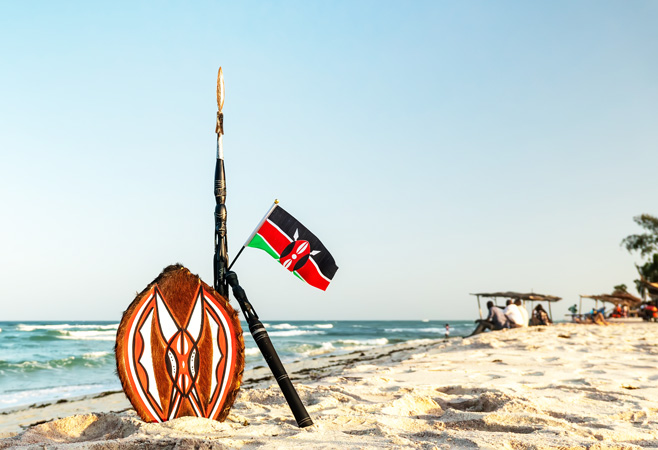
As a result, while the calendar may say January, it is actually the middle of the summer in this part of the world
Cooler mornings and pleasant evenings are perfect for relaxing at popular coffee shops in Mombasa after exploring the coastal city.
Humidity and coastal weather effects
The weather in Mombasa is characterized by humidity because this area is situated on the coast of the Indian Ocean. The city experiences high humidity throughout the year; this factor helps the city to have a tropical climate and warm real-feel temperatures, particularly during the daytime.
Average humidity 65% to 85%
This is the level of humidity that is characteristic of the coastal areas and is not very low throughout the year. Humidity does not decrease much even in the dry season, but the sensations are more comfortable in cases when temperatures are a bit lower.
Higher humidity during rainy seasons
During long and short rains of March to May and October to November, the humidity level is significantly raised. These seasons are heavier in the air, and the heat of midday can be more intense because of the humidity and the elevation of temperatures.
Cooling effect of sea breezes
The regular sea breezes are one of the primary factors that assist in controlling the humidity in Mombasa. These winds tend to increase in the late afternoon and evening, bringing cooler air from the ocean, and the climate becomes more pleasant.
Visitor comfort and practical tips
The humidity in Mombasa is not too difficult to handle with the simple precautions of a visitor. Hydration, lightweight and breathable wear and clothing, and not spending a long time in the outdoor environment during the hottest hours of the day can significantly enhance comfort.
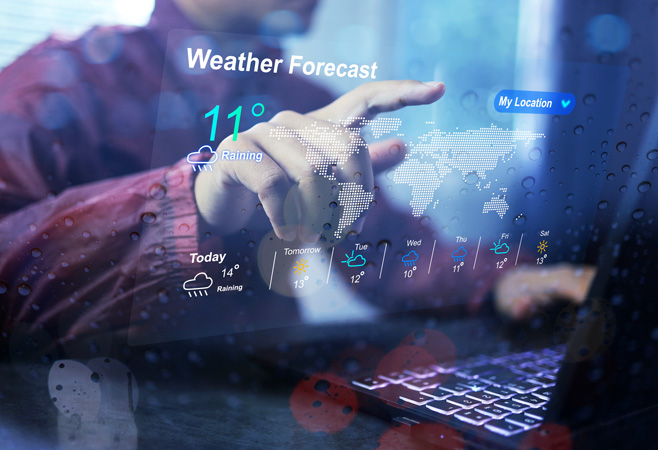
The city’s coastal breeze from the Indian Ocean keeps conditions comfortable, even during hotter months
Sea temperature and beach conditions
Mombasa offers warm sea temperatures and great beach conditions year-round, making it a top coastal destination in East Africa. Here’s what you need to know:
- Sea temperature year-round: Warm waters (25–29°C) allow swimming anytime with no major seasonal changes.
- Water activities: Ideal for swimming, snorkeling, diving, and dhow cruises, with good visibility in dry seasons.
- Seasonal conditions: Best from December–March and June–September; rougher seas during April–May rains.
- Beach comfort and safety: Visit early morning or late afternoon, and always check tides and local safety advice.
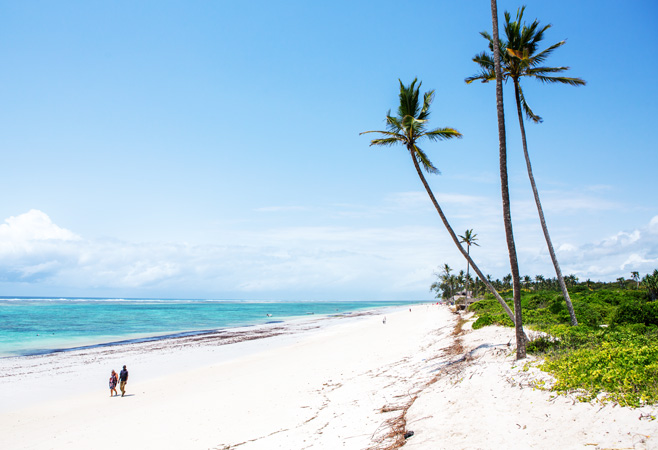
These are the hottest and sunniest months in Mombasa—perfect for beach holidays, snorkeling, and sunset dhow cruises
Best time to visit Mombasa based on weather
Choosing the best time to visit Mombasa depends on your travel goals and weather preferences, and this Mombasa travel guide can help you plan the perfect trip:
- Best overall weather (June–September): Cooler, dry months with low humidity and pleasant temperatures (27–29°C), ideal for sightseeing.
- Best for beach holidays (December–March): Hot, sunny weather with warm seas—perfect for swimming and water activities.
- Best for marine activities: Calm seas and clear visibility from June–September and December–early March.
- Budget-friendly period (April–May): Rainy season with fewer tourists and lower prices.
- Rainy season tips (October–November): Short rains occur but travel is still possible with flexible plans.
Overall, the best time depends on your balance of weather, budget, and activities.
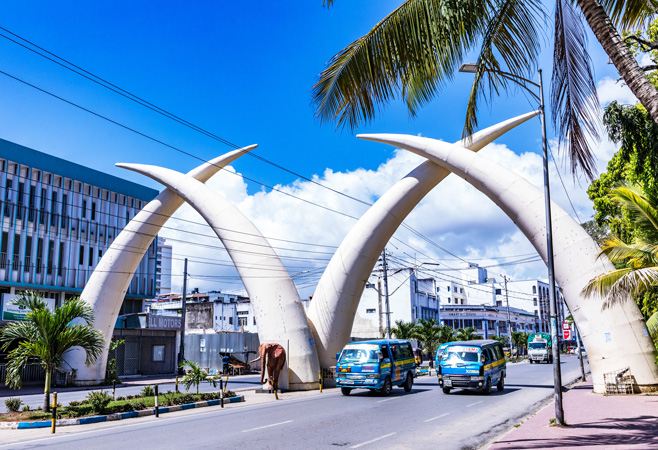
Understanding Mombasa travel seasons helps travelers choose the ideal time for their stay
What to pack for Mombasa’s weather
Packing smart for Mombasa’s tropical climate helps ensure a comfortable and enjoyable trip. Here’s what to bring:
- Lightweight clothing: Choose breathable fabrics like cotton or linen for hot, humid weather.
- Sun protection: Bring sunscreen, sunglasses, and a wide-brim hat to protect against strong sun.
- Comfortable footweat: Wear sandals for the beach and walking shoes for sightseeing.
- Rain essentials: Pack a light rain jacket or umbrella, especially during rainy months.
- Health and personal items: Carry insect repellent, a reusable water bottle, and basic skincare products.

You'll need a mixture of lightweight clothing that you can layer up or down
During cooler months, visitors can also enjoy delicious meals at many affordable restaurants in Mombasa while exploring the coastal city.
Weather tips for travelers
Traveling in Mombasa is comfortable year-round, but adapting to the tropical climate is essential. Here are key tips to stay safe and comfortable:
- Plan around the heat: Schedule activities in the early morning or late afternoon to avoid peak heat.
- Stay hydrated: Drink plenty of water and carry a reusable bottle throughout the day.
- Protect from the sun: Use sunscreen, sunglasses, and a hat, even on cloudy days.
- Dress appropriately: Wear light, loose, and breathable clothing for comfort.
- Prepare for rain: Bring a light jacket or umbrella for sudden tropical showers.
- Adapt gradually: Take breaks indoors and allow your body time to adjust to the climate.
Conclusion
In conclusion, weather and climate in Mombasa offer year-round warm temperatures, making it an ideal destination for beach lovers and outdoor activities. While dry seasons provide the best conditions for travel, even the rainy months bring lush scenery and fewer crowds. Understanding these patterns helps you plan a better trip. To ensure a smooth journey, remember to apply for an ETA Kenya in advance and enjoy your coastal adventure stress-free.
Related Articles
- Distance from Tanzania to Kenya: Flight & Road Guide
- Pakistan to Kenya Distance: Routes, Flights & Tips
- Kenya Travel Updates 2026: Key Changes International Travellers Should Know
- Kenya to Nigeria Distance: Flights, Time and Routes
- Distance from Kenya to India: Complete Travel Guide
- Kenya Trip Cost From India: Complete Budget Guide for Indian Travelers
- Kenya Safari Packages from UAE: Prices, Itineraries & Travel Guide
- Traveling from Australia to Kenya: Complete Guide

 NEED HELP 24/7
 United States
  United Kingdom
  Singapore
  Viber
Viber 


