
Mashujaa Day in Kenya: Celebration, History & Facts
 By Axel Donovan
| Update on: Apr 09, 2026
By Axel Donovan
| Update on: Apr 09, 2026
Mashujaa Day is among the most significant national holidays in Kenya, dedicated to honoring the heroes and heroines of the country who contributed greatly to the process of independence and nation-building. This day is celebrated on the 20th of October every year as a strong reminder of the sacrifices that were made by freedom fighters, community leaders, and ordinary citizens who shaped Kenya’s history.
Beyond remembrance, Mashujaa Day today promotes patriotism, unity, and national pride among Kenyans. In this guide, we explore the meaning, history, and contemporary importance of Mashujaa Day, the reason why this day continues to be one of the pillars of Kenyan national identity.
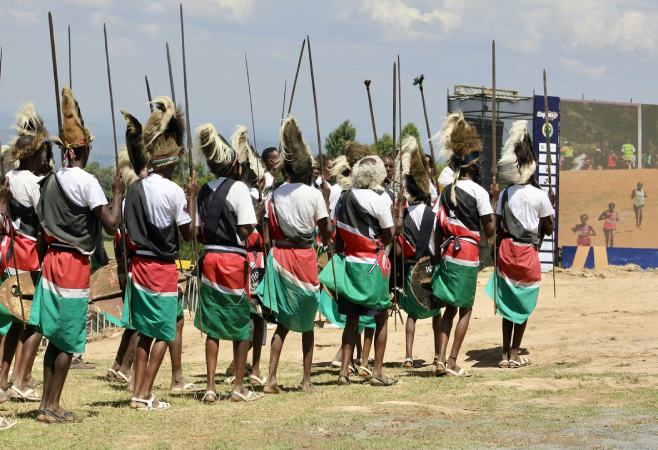
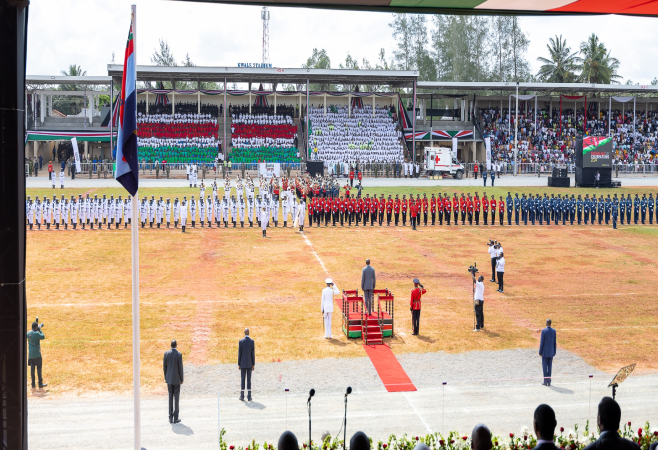
Mashujaa Day, celebrated on October 20, honors Kenya’s journey to independence and development
What is Mashujaa Day in Kenya?
Mashujaa Day is a national public holiday in Kenya, observed annually on October 20. The word “Mashujaa” comes from Swahili and means “heroes.” It is a day dedicated to celebrating the men and women who made significant contributions to Kenya’s struggle for independence and nation-building.
The holiday, which was once called Kenyatta Day, became Mashujaa Day in 2010 when the new Constitution of Kenya was adopted. The shift was meant to go beyond the first president of Kenya, Jomo Kenyatta, to include the freedom fighters, political leaders, activists, and ordinary citizens who sacrificed their lives in the quest to ensure that the country is free and developed. Currently, Mashujaa Day is commemorated by national ceremonies, official speeches, cultural performances, and acts of remembrance across Kenya.
When do we celebrate Mashujaa day in Kenya?
Mashujaa Day in Kenya is celebrated annually on October 20. It is observed as a nationwide public holiday and is part of the list of public holidays in Kenya. Official celebrations take place at both national and local levels, and these include the state ceremony, which is attended by the governmental leaders, cultural exhibitions, and honors given to the national heroes and heroines.
Historical background of Mashujaa day in Kenya
The history of Mashujaa Day is closely linked to Kenya’s colonial period and its struggle for self-rule. The holiday was originally known as Kenyatta Day, commemorating the events of October 20, 1952, when Jomo Kenyatta and other nationalists who were arrested by the British colonial rule during the Mau Mau uprising, were honored. For many years, the day focused primarily on Jomo Kenyatta’s role in the independence movement, which led to Kenya gaining independence in 1963, also celebrated during events like happy Madaraka day.
Following the adoption of the 2010 Constitution of Kenya, the holiday was officially renamed Mashujaa Day. This constitutional amendment gave it a wider meaning to pay tribute to all Kenyan heroes, such as freedom fighters, political activists, community leaders, and ordinary citizens who have helped in nation-building. Consequently, Mashujaa Day celebrations have since focused on unity, inclusivity, and national pride as opposed to paying tribute to one historical figure.
Mashujaa Day serves as a reminder of the collective efforts that helped Kenya achieve its independence and progress, and it is the way Kenyans remember the past and honor their heroes.
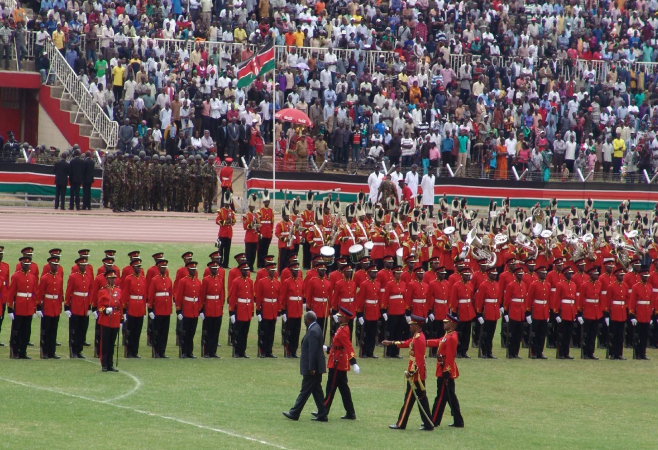
The day honors Kenya’s heroes and symbolizes more than just its fight for freedom
How Mashujaa day is celebrated in Kenya
Mashujaa Day is marked by meaningful national and community activities across Kenya. Key highlights include:
- National ceremony: Led by the President with speeches on history and future development
- National awards: Honors individuals for contributions in public service, health, education, and more
- Cultural performances: Music, dance, and art showcasing Kenya’s diverse heritage
- Community activities: Events by schools, religious groups, and local organizations
- Media and public participation: Nationwide coverage and citizen engagement
- Family reflection: Time to honor heroes and reflect on national progress
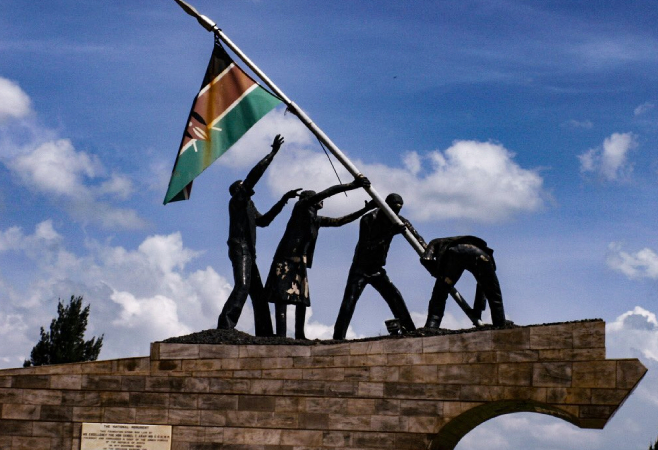
A time to reflect, unite, and celebrate Kenya’s spirit of service and progress
Cultural and social significance of Mashujaa day in Kenya
Mashujaa Day celebrates not just heroes, but the unity and spirit of the Kenyan people. Its key meanings include:
- Promoting unity and patriotism: Honors collective efforts across all communities
- Reflecting on history: Remembers struggles for independence and national progress
- Encouraging civic responsibility: Inspires values like service, integrity, and active citizenship
Mashujaa day in modern Kenya
Mashujaa Day today celebrates both historical heroes and modern contributions shaping Kenya’s future. Key highlights include:
- Recognizing modern heroes: Honors teachers, healthcare workers, entrepreneurs, and community leaders
- Youth education: Promotes awareness of history, leadership, and civic responsibility
- Media and digital engagement: Expands participation through broadcasts and online platforms
- National dialogue: Encourages discussions on development, equality, and future priorities
- Symbol of unity: Reflects shared responsibility and ongoing national progress
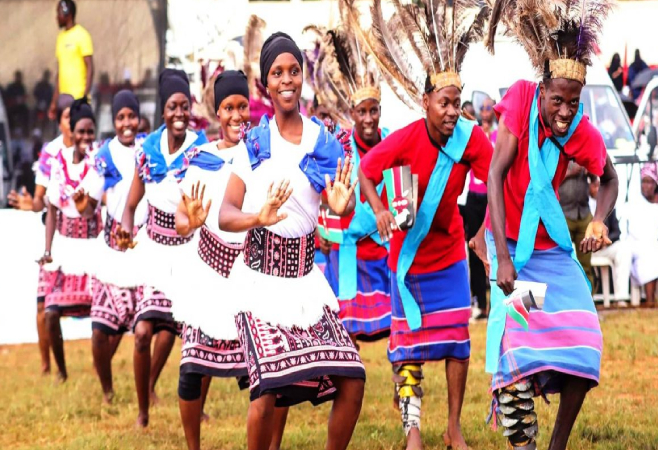
Great heroes are recognized worldwide for the role they play in shaping their nations’ progress
Challenges and criticism surrounding Mashujaa day in Kenya
Mashujaa Day remains important, but it also faces several challenges that affect its meaning and impact:
- Political influence: Recognition may favor political interests over true heroism
- Commercialization: Shift toward entertainment reduces its original meaning
- Low public awareness: Many people lack knowledge about honored heroes
- Exclusion issues: Some groups and women remain underrepresented
- Debate over “heroes”: Unclear criteria and controversial selections
- Regional imbalance: Celebration quality varies across counties
- Unresolved injustices: Issues like poverty among veterans persist
- Limited youth engagement: Young people are not fully involved
Faces criticism over politics, hero selection, and economic pressures
Conclusion
Mashujaa Day is more than a public holiday, but it is a significant event that not only commemorates the heroes of the country, but also their historical fights, and their national unity and development. The memories, cultural expression, and civic contemplation through Mashujaa Day still serve to define the national identity of Kenya, both past and present.
To any visiting traveler keen on enjoying the rich history, colourful culture, and the national festivals of Kenya, including events like what is Jamhuri day in Kenya, a visit to Kenya during Mashujaa Day could be particularly rewarding. The country has a rich and distinct travel experience with regard to cultural performances, as well as historical landmarks.
Before traveling to Kenya, visitors must obtain an Electronic Travel Authorization (eTA) prior to departure. The application can be completed online through the official Kenya Immigration Services portal. Applying in advance helps ensure a smooth entry process and allows travelers to fully enjoy Kenya’s rich culture, heritage, and natural beauty.
Related Articles
- Distance from Tanzania to Kenya: Flight & Road Guide
- Pakistan to Kenya Distance: Routes, Flights & Tips
- Kenya Travel Updates 2026: Key Changes International Travellers Should Know
- Kenya to Nigeria Distance: Flights, Time and Routes
- Distance from Kenya to India: Complete Travel Guide
- Kenya Trip Cost From India: Complete Budget Guide for Indian Travelers
- Kenya Safari Packages from UAE: Prices, Itineraries & Travel Guide
- Traveling from Australia to Kenya: Complete Guide

 NEED HELP 24/7
 United States
  United Kingdom
  Singapore
  Viber
Viber 


