
Kenya Health Entry Requirements: Travel Rules Guide
 By Axel Donovan
| Update on: Apr 09, 2026
By Axel Donovan
| Update on: Apr 09, 2026
Visiting Kenya is a memorable experience, offering world-class wildlife safaris as well as rich cultural attractions. However, travelers must understand and comply with Kenya's health requirements to prevent infecting the host communities and others before visiting the country. These requirements may include mandatory vaccinations, recommended health measures, and appropriate medical documentation based on the traveler’s origin and travel plans. Planning in advance helps ensure a smooth entry process and a safe journey within the country.
In this guide, we have provided the important Kenya health requirements that you should be aware of when you are traveling so you can prepare properly and enjoy a safe and pleasant visit to Kenya, and this will make you enjoy your visit and have a good sleep.
- Mandatory health requirements for entry into Kenya
- Recommended vaccinations for travelers to Kenya: What you should know
- Malaria prevention and health precautions
- Healthcare access in Kenya: A guide for international travelers
- Food, water, and personal hygiene guidelines
- Kenya health requirements for special travelers
- Health documentation and arrival procedures
- Conclusion
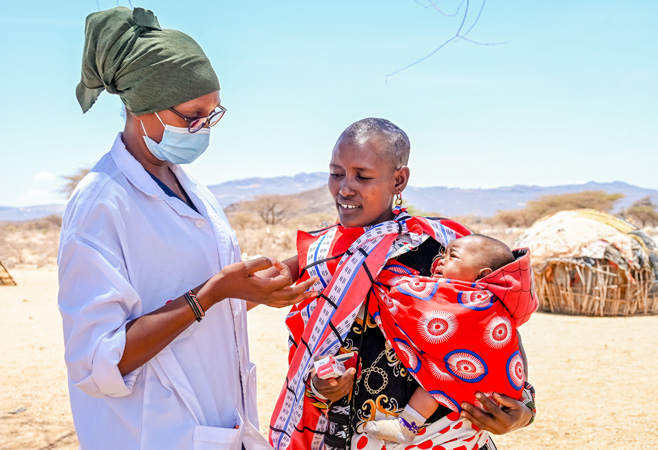
Update routine vaccinations before travel
Mandatory health requirements for entry into Kenya
Any traveler who enters Kenya must adhere to the national health-related regulations that have been enforced at international airports and land borders. The purpose of these rules is to avoid the spread of infectious diseases and ensure the health of the population. Upon arrival, travelers may receive instructions from immigration or health authorities.
Yellow fever vaccination requirement
Yellow fever vaccination is the primary mandatory health requirement for entry into Kenya. Travelers arriving from countries classified as yellow fever–risk areas are required to carry an International Certificate of Vaccination or Prophylaxis (ICVP), or Yellow Card.
This certificate may be inspected during immigration clearance or health screening at Kenyan airports or land borders. Depending on the travel history of the traveler, they may also be asked to present evidence of vaccination in countries that are infested with yellow fever.
Travelers arriving from or transiting through countries with a risk of yellow fever transmission may be required to present a valid yellow fever vaccination certificate. It is required that travelers ensure that they are vaccinated prior to traveling and have a Yellow Card with them at all times.
Yellow fever vaccination is required for some destinations and recommended in risk areas
Transit through yellow rever–risk countries
Depending on the duration of transit and whether the traveler exits the airport transit zone, travelers flying through a country with a yellow fever-endemic area may also be asked to provide evidence of vaccination. Even short transit periods may trigger this requirement in certain cases.
Consequences of non-compliance
The consequences of failure to show a valid yellow fever vaccination certificate may be severe, such as refusal of entry, obligatory vaccination on the entry point, or quarantine at the expense. Compliance is therefore essential.
Routine vaccination status
Although routine vaccinations are not always strictly enforced at border control, travelers are strongly encouraged to ensure they are up to date before departure. These vaccinations are regarded as associated with the general vaccination requirements Kenya and are added to individual safety during a journey in the country.
Health screening at ports of entry
Kenyan authorities reserve the right to conduct health screenings at entry points, especially at the largest airport in Kenya. Such screenings can involve visual health testing or medical check-ups when there is a high level of concern about the health of the populace. Travelers are expected to fully cooperate with such procedures.
Required health documentation
Health-related documents, such as vaccination certificates and other medical records, should be brought in the hand luggage of all travelers. They have to be original, valid, and convenient to inspect by the officials.
Pre-travel medical consultation
Travelers should visit a licensed healthcare provider or travel clinic a few weeks prior to traveling. This helps ensure compliance with mandatory health requirements regarding the history of travel, transit routes, and existing regulations.
Recommended vaccinations for travelers to Kenya: What you should know
Other than fulfilling the required health requirements before gaining entry into Kenya, there are some of the recommended vaccinations that travelers would be highly encouraged to take into consideration before traveling to Kenya. These immunizations are useful in preventing usual infectious illnesses and minimizing health risks when travelling, particularly to rural locations or those who intend to stay longer or travel over long distances.
Routine vaccinations
Before traveling to Kenya, the person should ensure that all routine immunizations are current. These are usually measles, mumps, and rubella (MMR), polio, tetanus, diphtheria, and seasonal flu. Maintaining routine vaccination coverage is an important part of international travel health preparedness for Kenya.
Travel-specific recommended vaccines
Several vaccines are widely used in Kenya depending on the activities of the travelers, length of stay, and destination. These are hepatitis A, Hepatitis B, typhoid, and rabies. The vaccinations against hepatitis A and typhoid are specifically significant in the case of travelers who might eat locally or explore rural territories, whereas the vaccination against rabies is an important practice in the case of outdoor activity or close contact with animals.

Risk of Hepatitis A infection is high for all travellers, vaccination recommended
Vaccination planning before travel
Travelers are advised to consult a healthcare provider or travel clinic at least four to eight weeks before departure. This gives enough time to follow the vaccine programs and even custom medical recommendations regarding the health issues and travel plans of a person. The suggested vaccinations are in addition to the vaccines necessary to go to Kenya, providing extra safety on the trip.
Special considerations for certain travelers
Long-term visitors, expatriates, safari travelers, and those visiting remote areas may require additional vaccinations. Children, older travelers, and people with underlying health conditions are advised to seek special medical consultations to ensure adequate protection during their stay in Kenya.

Travelers are generally advised to be protected against hepatitis A, typhoid, tetanus, and polio before visiting Kenya
Malaria prevention and health precautions
Malaria prevention is a key part of travel health planning in Kenya. Here are essential tips every traveler should follow:
Malaria risk in Kenya
- Common in low-altitude, coastal areas and around Lake Victoria
- Lower risk in highlands and urban centers, but caution is still needed
- Higher exposure during rural trips and safari experiences
Anti-malarial medication
- Consult a doctor before traveling
- Medication depends on itinerary, duration, and health condition
- Usually taken before, during, and after the trip
Mosquito bite prevention
- Use insect repellent, especially at night
- Wear long sleeves, trousers, and appropriate clothes for safari in Kenya
- Avoid outdoor exposure during peak mosquito activity
Accommodation precautions
- Choose places with mosquito control (nets, screens, AC)
- Safari lodges often provide protection—confirm before booking
General health precautions
- Stay hydrated and avoid excessive sun exposure
- Follow food and water safety guidelines
- Carry a basic medical kit for emergencies
Monitor symptoms
- Watch for fever, chills, headache, or flu-like signs
- Seek medical help immediately if symptoms appear
- Inform doctors about recent travel to Kenya
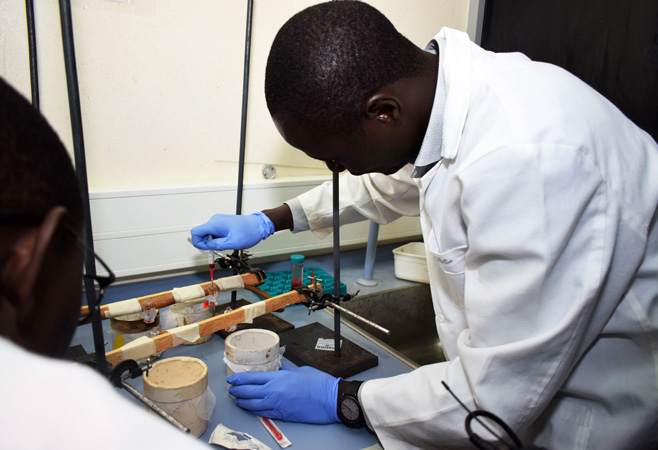
In Kenya, malaria remains a major health challenge, particularly for children under the age of five years
Healthcare access in Kenya: A guide for international travelers
Preparing for healthcare and insurance before traveling to Kenya is essential for a safe and worry-free trip:
- Have travel insurance Kenya: Covers treatment costs, hospitalization, and emergencies, especially in private hospitals
- Know healthcare access: Good facilities in cities, but limited services in rural areas
- Be prepared for emergencies: Response times vary; evacuation coverage is recommended
- Carry documents: Keep insurance proof and emergency contacts ready at all times
Proper preparation helps you travel safely and confidently in Kenya.

Read essential health, safety, and travel insurance tips before visiting Kenya
Food, water, and personal hygiene guidelines
Food and water safety are essential when traveling in Kenya to avoid common health risks and ensure a safe trip:
- Drink safe water only: Use bottled, boiled, or treated water; avoid tap water and ice of unknown origin
- Follow food safety practices: Eat hot, well-cooked meals; avoid raw or undercooked food
- Maintain personal hygiene: Wash hands regularly or use hand sanitizer when needed
- Choose reliable dining places: Eat at reputable restaurants with good hygiene standards
- Take extra care in rural areas: Carry water purification tablets and basic hygiene supplies
Kenya health requirements for special travelers
Certain travelers may require extra health precautions when visiting Kenya. Proper preparation helps ensure a safe and comfortable journey:
- Children and elderly travelers: Keep vaccinations updated, carry essential medicines, and consult a doctor if needed
- Pregnant travelers: Seek medical advice in advance, especially for vaccines and malaria prevention
- Safari and adventure travel: Take extra care with malaria protection, food safety, and carry a basic medical kit
- Plan ahead for health needs: Understand risks and ensure access to medical care during your trip

Vaccination required from 1 year, recommended from 9 months in risk areas
Travelers should familiarize themselves with Kenya currency to USD to plan budgets and avoid confusion when spending locally.
Health documentation and arrival procedures
Preparing health documents is essential when traveling to Kenya, ensuring smooth immigration and compliance with entry requirements:
- Prepare health documents in advance: Include vaccination certificates (e.g. yellow fever) when required
- Link with Kenya eTA: Health compliance is required alongside eTA approval for entry
- Health screening on arrival: Expect checks at airports or border points
- Immigration clearance: Missing documents may lead to delays or additional procedures
- Extra checks for high-risk travel history: Additional screening may apply if coming from affected areas
Kenya health requirements for arriving travellers
Conclusion
Knowing health requirements and understanding the Kenya language spoken are crucial for a successful visit. Mandatory vaccinations, recommended health measures, proper documentation, and advance preparation help travelers avoid delays and ensure a safe visit.
Other than the health regulation, tourists are supposed to seek a Kenya eTA before travel. Although the eTA gives the right to board a flight to Kenya, travelers may still be asked to present the required health documents upon arrival by the immigration and health officers.
Having prepared both health demands and immigration permits beforehand, travelers can have a hassle-free entry experience and spend their time enjoying the natural beauty, wildlife, and discovering the top things to do in Kenya.
Related Articles
- Distance from Tanzania to Kenya: Flight & Road Guide
- Pakistan to Kenya Distance: Routes, Flights & Tips
- Kenya Travel Updates 2026: Key Changes International Travellers Should Know
- Kenya to Nigeria Distance: Flights, Time and Routes
- Distance from Kenya to India: Complete Travel Guide
- Kenya Trip Cost From India: Complete Budget Guide for Indian Travelers
- Kenya Safari Packages from UAE: Prices, Itineraries & Travel Guide
- Traveling from Australia to Kenya: Complete Guide

 NEED HELP 24/7
 United States
  United Kingdom
  Singapore
  Viber
Viber 


