
Kenya Vaccination Requirements: Travel Health Guide
 By Axel Donovan
| Update on: Apr 09, 2026
By Axel Donovan
| Update on: Apr 09, 2026
A trip to Kenya is an unforgettable experience, as you not only get to see the Great Migration in the Masai Mara, but also get to unwind at the Indian Ocean's lush beaches. Nonetheless, it is essential to understand Kenya’s vaccination requirements before entry and the health safety measures that are advisable before you go on a safari or cultural trip. Vaccinations are an important part of travel preparation that allows protection against infectious diseases and adherence to global health standards.
Information about vaccines for travel to Kenya can help travelers avoid problems at immigration checkpoints, as well as avoid health risks. Others are compulsory in light of your traveling history, and others are highly encouraged to save your health during the trip. Travelers can have a safe and stress-free trip by checking the health requirements to enter Kenya and receiving the required immunizations beforehand.
- Why vaccinations are important before traveling to Kenya
- Mandatory vaccines for travel to Kenya
- Vaccines for travel to Kenya recommended by health experts
- Additional health precautions for travelers to Kenya
- When to get vaccinated before traveling to Kenya
- Where to get vaccines for travel to Kenya?
- Cost of travel vaccines for Kenya
- Travel health tips for visiting Kenya
- Conclusion

Get advice on vaccines, anti-malarials, and medications based on your health and travel plans
Why vaccinations are important before traveling to Kenya
Travel health preparation is essential before visiting Kenya. Understanding Kenya health requirements helps reduce risks and ensures a safer journey:
- Protect against infectious diseases: Vaccines help your body fight unfamiliar illnesses in new environments
- Essential for high-risk travel: Especially important for safaris, rural areas, and remote destinations
- Protect local communities: Prevents spreading diseases during international travel
- Meet entry requirements: Some vaccinations are mandatory and may be checked at immigration
- Ensure a safer travel experience: Helps you explore Kenya confidently with lower health risks

If you are traveling from Kenya to another country, proof of yellow fever vaccination may be required for entry
Travelers should be aware of Kenya official languages English to better navigate daily interactions and local experiences.
Mandatory vaccines for travel to Kenya
The yellow fever vaccine is one of the major health requirements that visitors are required to have in Kenya. Yellow fever is a viral infection that is spread by infected mosquitoes and may be very detrimental to human beings.
Kenya requires proof of yellow fever vaccination only for travelers arriving from countries with risk of transmission, or those who have transited for more than 12 hours in such countries.
Yellow fever card, Kenya travelers must carry
The validation of the vaccination is in the form of the official document called the International Certificate of Vaccination or Prophylaxis (ICVP), or the yellow fever card, which Kenyan immigration authorities at the best airport in Kenya might demand. This certificate is used to assure the traveler that he or she has taken the yellow fever vaccine in one of the approved medical centers.
The vaccination should be acquired by the traveler at least 10 days prior to reaching Kenya, since the vaccination takes some time to attain full effectiveness. The World Health Organization indicates that the effects of the vaccine last a lifetime in a single dose.
When the yellow fever vaccine requirement applies
The vaccine needed against the yellow fever of Kenya usually applies to tourists who:
- Coming from the risk of yellow fever.
- Recently, I have been in high-risk areas.
- Stay in a country with the risk of developing yellow fever for longer than 12 hours.
Although the vaccine may not be mandatory for every traveler, it is usually advised as one of the vaccines to be used in the preparation for travel to Kenya.
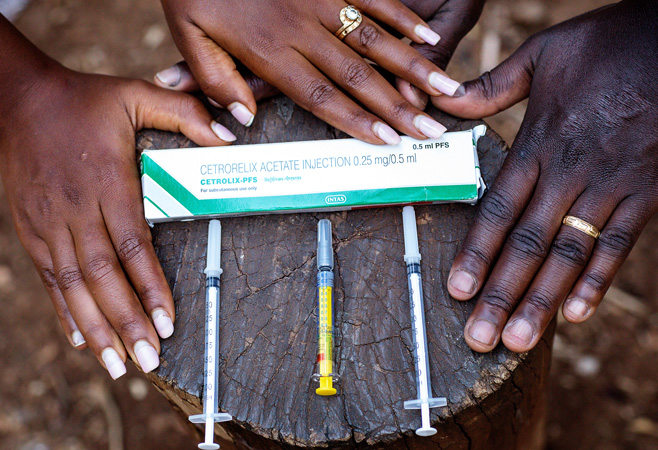
Some of these diseases you can be vaccinated against, others you should be aware of to avoid them
Vaccines for travel to Kenya recommended by health experts
Although not required to enter the country, some vaccines are highly advised for international travelers. Health professionals usually recommend the vaccination in places such as Kenya to minimize the chances of being sick and make their traveling experience safer. Even though travelers may already meet the Kenya vaccine requirements for entry, receiving additional recommended immunizations can provide extra protection. When visiting cities, rural areas, or wildlife sites, getting the right immunizations that are required in Kenya can help protect the tourist.
Hepatitis A vaccine
Hepatitis A is often transmitted by infected food and water. There is a risk of a traveler becoming more prone to it in case of eating at local restaurants, street markets, or areas of rural locations where the sanitation standards might not be similar to those in their home countries. Among the immunizations needed for Kenya, immunization offers good protection and is strongly advised for the majority of the traveling population.
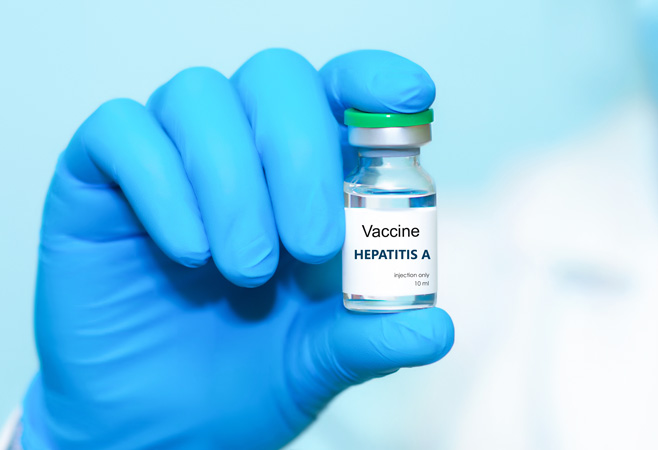
Recommended for unvaccinated travelers one year old or older going to Kenya
Hepatitis B vaccine
Hepatitis B is transmitted by contact with infected blood or body fluids. The particular vaccine is especially relevant to the visitors of Kenya who are going to spend more time there, undergo treatment in a foreign country, or have a volunteering or healthcare-related job during their stay.
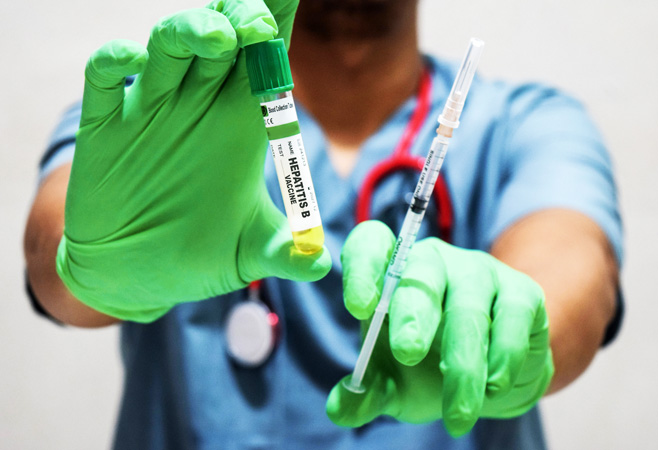
Hepatitis B vaccine offers over 95% protection and can last up to 10 years
Typhoid vaccine
Typhoid fever is normally caused by unhygienic food or water. Adventurers wishing to be exposed to local food, street food, or the small towns can be highly favored by being vaccinated against this before taking out.
Rabies vaccine
The rabies vaccination is a vaccine that can be advised to travelers who are likely to be exposed to animals or remote places where there might not be adequate medical facilities. This is a special precaution that should be taken, particularly during safari and country tours.
Additional health precautions for travelers to Kenya
Staying healthy in Kenya requires more than vaccinations. Here are key precautions to ensure a safe and worry-free trip:
- Prevent malaria: Take anti-malarial medication, use repellent, wear long sleeves and follow a proper Kenya safari packing list.
- Ensure food and water safety: Drink bottled or treated water and avoid raw or undercooked food
- Maintain personal hygiene: Wash hands regularly and use sanitizer when needed
- Prepare a health kit: Carry basic medicines and consider travel health insurance for emergencies
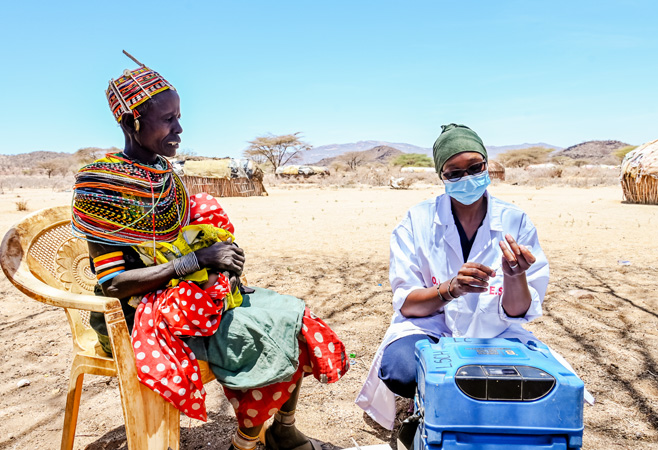
CDC recommends that travelers going to certain areas of Kenya take prescription medicine to prevent malaria
When to get vaccinated before traveling to Kenya
Planning vaccinations early is essential for a safe and smooth trip to Kenya. Here are key points to remember:
- Plan vaccinations in advance: Review requirements early to avoid last-minute issues
- Follow recommended timeline: Get vaccines 4–8 weeks before travel for full protection
- Check specific vaccine timing: Yellow fever vaccine must be taken at least 10 days before arrival
- Consult a healthcare provider: Get advice based on your health, itinerary, and travel duration
- Benefit from early preparation: Reduces risks and ensures compliance with entry requirements
Where to get vaccines for travel to Kenya?
Getting vaccinated at trusted medical facilities is essential before traveling to Kenya to ensure safety and proper documentation:
- Travel clinics: Provide expert advice, required vaccines, and official vaccination certificates
- Hospitals and medical centers: Offer safe vaccination with access to your medical history
- Public health centers: Affordable options that may issue international vaccination certificates
- Authorized yellow fever centers: Required for official yellow fever vaccination proof

Travel vaccines for Kenya are available at travel clinics, health departments, and authorized yellow fever centers
Cost of travel vaccines for Kenya
Understanding vaccination costs helps travelers plan better and avoid unexpected expenses before visiting Kenya:
- Costs vary by vaccine and provider: Depends on vaccine type, number of doses, and clinic fees
- Typical price ranges: Yellow fever ($100–200), hepatitis A/typhoid ($50–150), rabies higher due to multiple doses
- Insurance coverage: Some plans may cover vaccines, but many are not included
- Save costs with early planning: Use public health centers and get vaccinated in advance
Travel health tips for visiting Kenya
Following basic health tips helps travelers stay safe and enjoy their trip to Kenya with confidence:
- Prevent mosquito bites: Use repellent, wear long sleeves, and sleep under mosquito nets
- Ensure food and water safety: Drink bottled water and eat freshly cooked meals
- Stay hydrated and protected: Drink plenty of water, use sunscreen, and wear hats/sunglasses
- Carry a medical kit: Bring basic medicines and first-aid supplies
- Get Kenya travel insurance to cover medical costs and emergencies
Practice safe food and water precautions, and wash your hands often
Conclusion
Planning a trip to Kenya goes beyond making a trip itinerary and understanding practical details like the exchange rate Kenya. It is possible to remember about the recommended vaccinations, adhere to the recommendations about health during traveling, and take precautions in order to make sure that the experience is not only safe but also satisfactory. Reading health advice, taking the right kind of vaccinations, and being educated about the safety of traveling to Kenya will help the visitors minimize their health risks and enjoy their trip as much as possible, exploring the national parks, cities, and discovering what to do in Kenya.
As the traveler prepares to proceed with the East African tour, Tanzania is another tourist destination that boasts of magnificent views, wildlife tours, and landmark attractions, including Mount Kilimanjaro and the Serengeti. In case you are going to visit Tanzania, a visa can be obtained online, and the process will be much easier and more convenient. Those who wish to acquire their visa in a secure and fast manner must visit the site of the Tanzania Immigration Services, where they can submit their application and do it online prior to their trip.
Related Articles
- Distance from Tanzania to Kenya: Flight & Road Guide
- Pakistan to Kenya Distance: Routes, Flights & Tips
- Kenya Travel Updates 2026: Key Changes International Travellers Should Know
- Kenya to Nigeria Distance: Flights, Time and Routes
- Distance from Kenya to India: Complete Travel Guide
- Kenya Trip Cost From India: Complete Budget Guide for Indian Travelers
- Kenya Safari Packages from UAE: Prices, Itineraries & Travel Guide
- Traveling from Australia to Kenya: Complete Guide
- A Tourist’s Guide to Tipping in Kenya: When and How Much to Tip

 NEED HELP 24/7
 United States
  United Kingdom
  Singapore
  Viber
Viber 


