
Do Ghanaians Need a Visa to Kenya? Latest Guide
- Do Ghanaians need a visa to Kenya?
- Ghanaian travellers are now exempt from obtaining a Kenya eTA
- How long can Ghanaian citizens stay in Kenya without a visa or eTA?
- Documents Ghanaian citizens need to enter Kenya
- Do Ghanaian travellers need a yellow fever certificate for Kenya?
- Does the exemption apply to everyone travelling from Ghana?
- What happens when Ghanaian citizens arrive in Kenya?
- When do Ghanaian citizens need additional permission for Kenya?
- FAQs
- In conclusion
If you are asking “do Ghanaian need visa to Kenya?”, the current answer is no for qualifying short visits. Ghanaian passport holders can travel to Kenya without a traditional visa or eTA for stays of up to 90 days. However, travellers must still carry valid travel documents, meet yellow fever requirements, and satisfy Kenya’s immigration conditions when arriving at the border.
| Requirement
|
Ghanaian citizens
|
| Kenya visa
|
Not required for eligible short visits
|
| Kenya eTA
|
Not required
|
| Maximum visa/eTA-exempt stay
|
Up to 90 days
|
| Passport
|
Valid Ghanaian passport required
|
| Passport validity
|
At least 6 months
|
| Return/onward ticket
|
May be requested
|
| Accommodation details
|
May be requested
|
| Yellow fever certificate
|
Required in normal circumstances when arriving from Ghana
|
| Work or study in Kenya
|
Separate permit or pass may be required
|
| Final entry decision
|
Subject to Kenyan immigration approval at the border
|
Do Ghanaians need a visa to Kenya?
No. Ghanaian citizens are currently exempt from obtaining a Kenya Electronic Travel Authorisation (eTA) for a period not exceeding 90 days. Ghana’s Ministry of Foreign Affairs also lists Kenya as visa-free for Ghanaian ordinary passport holders for up to 90 days.

Ghanaian citizens can travel to Kenya without a visa for eligible short stays
Ghanaian travellers are now exempt from obtaining a Kenya eTA
Kenya’s entry system has changed significantly in recent years. Although the eTA system was introduced broadly in 2024, the Kenya Citizenship and Immigration (Amendment) Regulations, 2025 expanded the list of travellers who do not need one.
Ghana is specifically included among nationalities exempt from obtaining an eTA for stays not exceeding 90 days. This updated rule remains reflected on Kenya’s official eTA portal.
How long can Ghanaian citizens stay in Kenya without a visa or eTA?
Ghanaian citizens fall under Kenya’s eTA exemption for a period not exceeding 90 days. Ghana’s Ministry of Foreign Affairs also lists Kenya as visa-free for Ghanaian ordinary passport holders, with a maximum duration of 90 days.
The exemption should not be confused with a 90-day eTA validity period because qualifying Ghanaian travellers do not need to obtain an eTA in the first place.

Ghanaian citizens can stay in Kenya visa- and eTA-free for up to 90 days
Documents Ghanaian citizens need to enter Kenya
Even though advance visa or eTA approval is unnecessary, Ghanaian travellers should carry documents supporting their identity and planned visit.
- Valid Ghanaian passport: Kenya’s Directorate of Immigration requires arriving travelers to present a passport or other acceptable travel document valid for at least six months.
- Return or onward ticket: Immigration officers may request evidence of departure plans.
- Accommodation details: Carry hotel reservations or information about your host in Kenya.
- Travel itinerary: Keep details explaining the purpose and duration of your trip.
- Proof of sufficient funds: Immigration officers may request evidence that you can support yourself during your stay in Kenya.
- Yellow fever certificate: Travelers arriving in Kenya from Ghana should normally present a valid Yellow Fever vaccination certificate, subject to Kenya’s applicable medical and age exemptions.
- Additional permits: Work, study or residence may require separate immigration permission.
Do Ghanaian travellers need a yellow fever certificate for Kenya?
Yes, in normal circumstances. Kenya requires travellers arriving from countries where yellow fever is endemic or presents a transmission risk to show a valid yellow fever vaccination certificate. Ghana is identified as a country with yellow fever risk.
Travellers should remember:
- Carry an International Certificate of Vaccination or Prophylaxis (ICVP).
- Travelers who need Yellow Fever vaccination should arrange it at least 10 days before travel.
- Kenya provides exemptions for certain travellers, including infants under nine months, some pregnant women and people with specific medical contraindications.
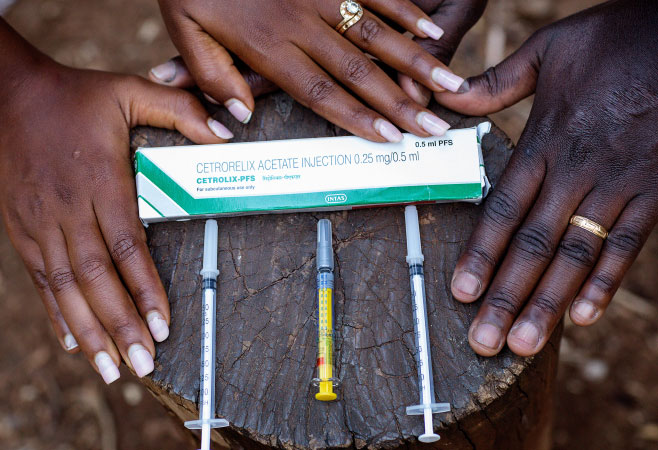
Ghanaian travellers need a yellow fever certificate when travelling to Kenya in applicable cases
Does the exemption apply to everyone travelling from Ghana?
No. Kenya’s eTA exemption is linked to nationality and travel status rather than simply the country of departure.
A Ghanaian citizen travelling on a qualifying Ghanaian passport benefits from the current exemption. However, someone who lives in Accra but holds another nationality must check Kenya’s requirements for the passport they intend to use.
In other words, residence in Ghana alone does not make a traveller eTA-exempt.
What happens when Ghanaian citizens arrive in Kenya?
Arrival is generally straightforward, but eTA-exempt travellers still undergo Kenya’s normal immigration and health procedures.
Travellers can expect to:
- Present their Ghanaian passport for immigration inspection.
- Complete biometric processing: Travelers may undergo biometric procedures, including facial photographs and fingerprints, as part of Kenya’s standard immigration checks.
- Present a valid yellow fever certificate if required based on their country of departure and applicable health rules.
- Explain their travel purpose if requested by an immigration officer.
- Provide accommodation information such as a hotel booking or host address.
- Show return or onward travel details if requested.
- Complete health screening when required at the point of entry.
- Receive an admission decision: Kenyan immigration authorities determine whether the traveler meets the applicable entry conditions and the period permitted on entry.
Visa-free and eTA-exempt travel simplifies entry but does not remove normal border controls.

Arrival procedures in Kenya for Ghanaian citizens
When do Ghanaian citizens need additional permission for Kenya?
The eTA exemption does not by itself authorize employment, long-term study or residence in Kenya. Ghanaian citizens undertaking activities that require immigration authorization must obtain the appropriate permit or pass.
Travellers planning to remain beyond the applicable 90-day exemption period should also check with Kenya’s Directorate of Immigration Services rather than assuming their visa-free stay can automatically continue.
FAQs
The following answers address common questions about Kenya visa requirements, yellow fever rules and eTA exemptions for people travelling from Ghana.
Do Ghanaian children need a Kenya visa or eTA?
Ghanaian children travelling on eligible Ghanaian passports are also covered by the nationality-based eTA exemption for a period not exceeding 90 days, but each child still needs valid travel documents.
Does Kenya’s eTA exemption guarantee entry for Ghanaian citizens?
No. The eTA exemption removes the requirement to obtain an eTA before eligible travel, but it does not guarantee admission. Ghanaian travelers must still satisfy Kenya’s immigration and health requirements at the point of entry.
Can a Ghana resident with a foreign passport enter Kenya without an eTA?
Not automatically. Kenya’s exemption depends primarily on the traveller’s nationality or immigration category. A foreign national living in Ghana should check the requirements applicable to the passport used for travel.
Can Ghanaian citizens stay in Kenya for more than 90 days?
The nationality-based eTA exemption applies for a period not exceeding 90 days. Travelers intending to remain longer should check with Kenya’s Directorate of Immigration Services before their authorized stay expires to determine which extension, permit, pass or other immigration status may apply.
In conclusion
So, does a Ghanaian need a visa to Kenya? No. Ghanaian passport holders currently enjoy visa-free and eTA-exempt travel to Kenya for qualifying stays of up to 90 days.
Travellers must still carry valid travel documents, meet Kenya’s yellow fever requirements and obtain the correct permit when travelling for work, study or long-term residence.

 NEED HELP 24/7
 United States
  United Kingdom
  Singapore
  Viber
Viber 


