
Do Gambians Need a Visa to Kenya? Latest Guide
- Do Gambians need a visa to Kenya?
- Gambian citizens are exempt from obtaining a Kenya eTA
- How long can Gambian citizens stay in Kenya without a visa or eTA?
- Documents Gambian citizens need to enter Kenya
- Yellow fever vaccination rules for Gambian citizens visiting Kenya
- Does the exemption apply to everyone travelling from The Gambia?
- What happens when Gambian citizens arrive in Kenya?
- When do Gambian citizens need additional permission for Kenya?
- Travelling from The Gambia to Kenya
- Common mistakes Gambian travellers should avoid
- FAQs about Kenya entry requirements for Gambian citizens
- In conclusion
For Gambian citizens planning a short trip to Kenya, a visa is currently not required. Holders of Gambian passports are also exempt from obtaining a Kenya Electronic Travel Authorisation (eTA) for eligible stays of up to 90 days. Even with this exemption, travellers must still satisfy Kenya’s passport, immigration and applicable yellow fever requirements before entry is granted.
|
Requirement |
Gambian citizens |
|
Kenya visa |
Not required for eligible short visits |
|
Kenya eTA |
Exempt |
|
eTA exemption period |
Not exceeding 90 days |
|
Passport |
Valid Gambian passport required |
|
Passport validity |
At least 6 months after planned arrival |
|
Blank passport page |
At least 1 |
|
Return/onward ticket |
Recommended |
|
Accommodation details |
Recommended |
|
Yellow fever certificate |
Normally required when arriving from The Gambia |
|
Work or study |
Separate permit or pass may be required |
|
Long-term residence |
Separate immigration permission required |
|
Final admission |
Subject to Kenyan immigration approval |
Do Gambians need a visa to Kenya?
No. Gambian passport holders do not currently need a traditional Kenya visa for qualifying short visits. They are also exempt from obtaining an Electronic Travel Authorisation (eTA) for a period not exceeding 90 days.
The Gambia is specifically listed in Kenya’s official eTA exemption schedule. However, visa-free and eTA-exempt status does not guarantee admission, as Kenyan immigration officers retain authority over entry at the border.

Visa-free travel to Kenya for Gambian passport holders
Gambian citizens are exempt from obtaining a Kenya eTA
Kenya introduced its eTA system broadly in 2024, but the rules were subsequently amended. Under the Kenya Citizenship and Immigration Regulations, nationals of The Gambia are now exempt from obtaining an eTA for stays not exceeding 90 days.
The current official Kenya eTA portal continues to list both Gambia and The Gambia among nationalities covered by this exemption. Gambian travellers therefore should not apply for a standard eTA when their trip falls within the qualifying exemption.
How long can Gambian citizens stay in Kenya without a visa or eTA?
Gambian nationals fall within Kenya’s eTA exemption category for a period not exceeding 90 days. This is an exemption period rather than an eTA validity period, because eligible Gambian travellers do not obtain an eTA.
The actual period granted at entry remains subject to Kenyan immigration controls. Travellers intending to remain longer should check whether an extension or another immigration status is appropriate.

Kenya visa-free stay period for Gambian citizens
Documents Gambian citizens need to enter Kenya
Although advance visa or eTA approval is unnecessary for qualifying visits, Gambian travellers should carry documents supporting their journey and intended stay.
- Valid Gambian passport: Ensure your passport remains valid throughout the journey.
- Passport validity and space: Six months of remaining validity and at least one blank page are prudent benchmarks based on Kenya’s standard travel-document guidance.
- Return or onward ticket: Keep evidence showing how you intend to leave Kenya.
- Accommodation details: Carry a hotel reservation or your host’s address and contact information.
- Travel itinerary: Be ready to explain your purpose and length of stay.
- Yellow fever certificate: Travellers arriving from The Gambia should normally carry valid vaccination proof.
- Additional permits: Work, study and residence require separate permission where applicable.
Yellow fever vaccination rules for Gambian citizens visiting Kenya
Yellow fever is an important part of the Kenya entry requirements from the Republic of The Gambia because The Gambia is considered a country with yellow fever transmission risk. Kenya requires travellers arriving from yellow-fever-endemic countries to present a valid certificate.
Travellers should remember:
- Carry a valid yellow fever certificate when travelling from The Gambia to Kenya.
- Vaccination should be completed in advance and immunity generally develops within about 10 days after vaccination.
- One approved dose provides long-lasting protection. WHO states that a single dose provides lifelong protection.
- Medical exemptions may apply Kenya lists exemptions for certain infants, pregnant travellers and people with specific medical contraindications.
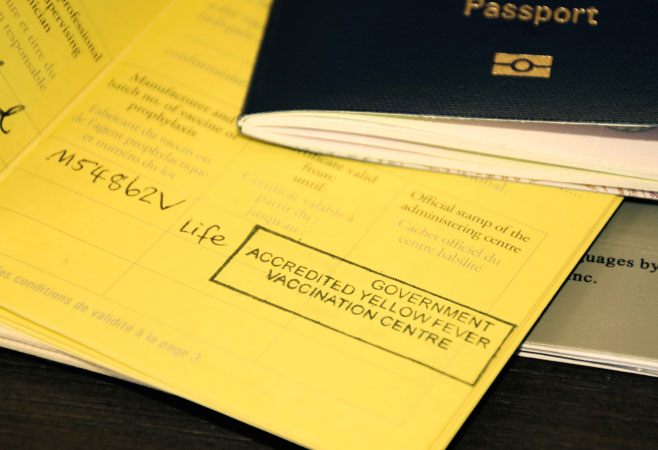
Yellow fever certificate requirements for Gambian travellers to Kenya
Does the exemption apply to everyone travelling from The Gambia?
No. Kenya’s eTA exemption is based mainly on the traveller’s nationality or qualifying immigration status, not simply the place of departure.
A Gambian citizen travelling with a Gambian passport benefits from the current exemption. However, a foreign citizen living in Banjul or elsewhere in The Gambia must check Kenya’s rules for the passport they intend to use.
In other words, residence in The Gambia alone does not provide Gambian eTA-exempt status.
What happens when Gambian citizens arrive in Kenya?
Gambian citizens still complete normal border and health procedures even though they do not need advance eTA approval for qualifying visits.
On arrival, travellers may need to:
- Present their Gambian passport to immigration.
- Show their yellow fever vaccination certificate because they are arriving from a yellow-fever-risk country.
- Confirm the purpose of their visit if requested.
- Provide accommodation information such as hotel or host details.
- Show return or onward travel arrangements where requested.
- Complete applicable health screening at the point of entry.
- Receive immigration clearance determining admission and the permitted stay.
The eTA exemption simplifies travel but does not create an automatic right of entry.

Kenya arrival process for citizens of The Gambia
When do Gambian citizens need additional permission for Kenya?
Visa-free and eTA-exempt entry does not authorise every activity in Kenya.
A Gambian citizen intending to work, study, conduct certain professional activities or establish residence may need an appropriate permit or pass. Kenya operates separate immigration categories for employment, business, students, interns, researchers and other longer-term purposes.
Travellers should arrange the immigration permission relevant to their activity rather than relying on their 90-day eTA exemption.
Travelling from The Gambia to Kenya
Preparing documents and checking the full route before departure can make travel from The Gambia to Kenya considerably smoother.
- Check your passport: Make sure it is valid and has sufficient blank space.
- Remember the eTA exemption: Gambian passport holders are currently exempt for qualifying stays up to 90 days.
- Carry your yellow fever certificate: This is particularly important for travellers arriving from The Gambia.
- Keep your itinerary accessible: Save flight, return and accommodation information.
- Check transit-country rules: Connecting countries may have their own visa and health requirements.
- Prepare additional permits in advance: Do this if travelling for employment or study.
- Recheck official requirements before departure: Immigration and health rules may change.
Common mistakes Gambian travellers should avoid
Understanding the difference between visa-free travel and unrestricted entry can prevent unnecessary costs or problems at immigration.
Avoid these common mistakes:
- Applying and paying for an eTA unnecessarily despite the current Gambian exemption.
- Calling the exemption a “90-day eTA” — no eTA is issued to qualifying travellers.
- Forgetting the yellow fever certificate when travelling from The Gambia.
- Assuming visa-free entry guarantees admission immigration officers still make the final entry decision.
- Ignoring transit requirements another country on the journey may impose separate rules.
- Assuming Gambian residence is enough foreign passport holders must check their own nationality requirements.
- Working or studying under visitor status without obtaining the appropriate permit or pass.
FAQs about Kenya entry requirements for Gambian citizens
These frequently asked questions explain entry rules for children, foreign residents, employment, study and longer stays in Kenya.
Do Gambian children need a Kenya visa or eTA?
Qualifying children travelling on Gambian passports fall under Kenya’s nationality-based eTA exemption for stays not exceeding 90 days. Each child must still have valid individual travel documentation.
Does a foreign resident of The Gambia qualify for Kenya's eTA exemption?
Not automatically. Living in or departing from The Gambia does not determine eligibility. Foreign residents should check Kenya’s requirements for the nationality and passport they will actually use.
Can Gambian citizens work or study in Kenya without a visa?
Not under the short-visit exemption alone. Employment requires the appropriate work permission, while foreign students must obtain the relevant student’s pass before undertaking qualifying education in Kenya.
Can Gambians extend their stay in Kenya beyond 90 days?
Potentially. Kenya allows foreign visitors to apply to extend a visitor’s pass, with the total stay potentially reaching six months, subject to application and immigration approval.
In conclusion
So, do Gambians need a visa to Kenya? For qualifying short visits, Gambian passport holders currently need neither a traditional visa nor a Kenya eTA for stays of up to 90 days.
Travellers should still carry valid travel documents and yellow fever certification, meet normal immigration conditions, and obtain separate permission when visiting Kenya for work, study or longer-term residence.

 NEED HELP 24/7
 United States
  United Kingdom
  Singapore
  Viber
Viber 


