Botswana citizens do not need a visa or Kenya eTA for eligible visits covered by the current exemption. Botswana passport holders are exempt from both the traditional visa requirement and Kenya's Electronic Travel Authorization (eTA) for short visits. Under Kenya's current immigration regulations, Botswana nationals may enter Kenya for eligible short-term purposes without applying for an eTA before departure.
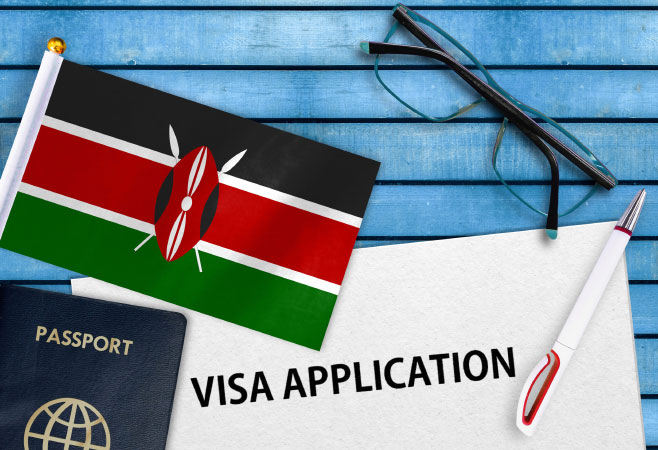
Botswana travelers entering Kenya under visa exemption rules
Do Botswana citizens need a Kenya ETA?
No. Botswana citizens do not need a Kenya eTA for short visits.
Botswana is listed among the nationalities exempt from obtaining an Electronic Travel Authorization (eTA) for stays of up to 90 days. This means travelers can enter Kenya for tourism, family visits, or certain business-related activities without completing an online eTA application before travel.
If you are searching “Does Botswana need visa to Kenya”, the answer is also no for eligible short-term visits under Kenya's exemption rules.
Why are Botswana citizens exempt from the Kenya eTA?
Botswana is included in the list of nationalities exempt from obtaining an eTA under Kenya's current immigration regulations. Under the applicable exemption schedule, Botswana nationals are exempt for a period not exceeding 90 days.
How long can Botswana citizens stay in Kenya?
Botswana nationals are exempt from obtaining a Kenya eTA for a period not exceeding 90 days. The period of stay permitted on entry remains subject to Kenyan immigration requirements and the decision made at the port of entry.
The exact period granted is determined by Kenyan immigration officers at the port of entry. Travelers should respect the authorized stay shown upon admission and leave Kenya before it expires unless they obtain approval for a longer stay through the appropriate immigration process.
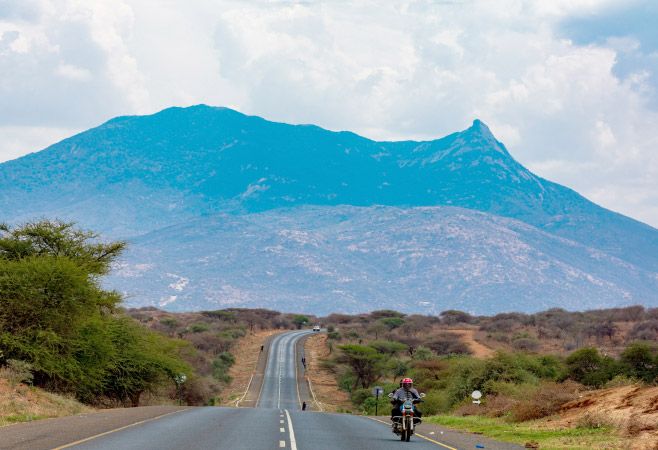
Botswana citizens can enjoy up to 90 days in Kenya
Documents to Prepare Before Traveling to Kenya
Before traveling, ensure you carry the necessary travel documents for a smooth arrival.
- A passport valid for at least six months from the date of entry into Kenya, with at least one blank page
- A return or onward travel ticket
- Proof of accommodation or your host's details
- Evidence of sufficient funds for your stay, if requested
- Supporting documents matching the purpose of your visit, when applicable
Although no visa or eTA is required, immigration officers may ask to review these documents before admitting travelers.
Kenya Entry Requirements for Botswana Citizens
Even with visa-free access, Botswana citizens must satisfy Kenya's standard immigration checks.
- Present a valid Botswana passport
- Explain the purpose of your visit if requested
- Show return or onward travel arrangements
- Provide accommodation information when asked
- Comply with all customs and immigration regulations
Border officials make the final decision on admission based on Kenya's immigration laws.
Border entry procedures for Botswana visitors to Kenya
Health requirements
Travelers should also check Kenya's latest health and vaccination requirements before departure.
- Bring a Yellow Fever vaccination certificate when coming from or transiting from a risk country.
- Comply with any health screening measures in place at the time of travel
- Talk to your health care provider about routine travel vaccines.
- Travel medical insurance is not presented here as a Kenya entry requirement, but travelers may choose to obtain suitable coverage for medical and travel-related emergencies.
Please be aware that health requirements may change, and be sure to check official guidance prior to travel.
Can Botswana citizens work or study in Kenya?
Persons who have any intention of staying, working, or pursuing long-term education, or pursuing paid work in Kenya shall be issued with relevant permits or passes before undertaking such activities.
Botswana citizens who visit Kenya under the exemption are permitted to travel for tourism, family visits or for certain short-term business activities. Persons who have any intention of staying, working, or pursuing long-term education, or pursuing paid work in Kenya shall be issued with relevant permits or passes before undertaking such activities.
When Do Botswana Citizens Need a Permit or Pass?
Visa free entry is valid for a short term visit only.
Botswana nationals who wish to work, study, set up a business that requires a permit, stay in the country longer than authorized or move to Kenya to reside there for extended periods should seek the necessary immigration authorization. Depending on the purpose and length of the visit, the proper permit will be required and must be obtained from the immigration authorities in Kenya prior to visiting to carry out those activities.

Work, study, and long-term stay require additional permission in Kenya
FAQs
Here are quick answers to the most common questions Botswana travelers ask before visiting Kenya.
Can Botswana passport holders enter Kenya without an eTA?
Yes. Botswana passport holders are exempt from Kenya's Electronic Travel Authorization (eTA) requirement for eligible short visits of up to 90 days.
How long can Botswana citizens stay in Kenya without a visa?
Botswana citizens may generally stay in Kenya for up to 90 days, subject to the admission period granted by immigration officials on arrival.
Can Botswana citizens extend their stay in Kenya?
Extensions may be possible in certain circumstances. Travelers should apply through Kenya's immigration authorities before their authorized stay expires if additional time is required.
Can Botswana citizens work or study in Kenya without additional permission?
No. Exemption from the Kenya eTA does not by itself authorize employment, long-term study or residence. Botswana citizens intending to work, study or reside in Kenya should obtain the appropriate permit or pass required for their intended activity before undertaking it.
What is the best time for Botswana citizens to visit Kenya?
The best time is generally from June to October, when the weather is dry and wildlife viewing is excellent, especially for safari experiences.
In conclusion
The answer to do Botswana citizens need a visa to enter Kenya is NO. Botswana passport holders are currently exempt from Kenya's eTA requirement and may enter Kenya without a visa for eligible stays of up to 90 days. Travelers should still carry a valid passport, meet border entry requirements, and comply with Kenyan immigration regulations. For work, study, or long-term residence, the appropriate permit or pass must be obtained before undertaking those activities.
Disclaimer: The information in this article is provided for general guidance only and does not constitute legal or immigration advice. Travelers should verify the latest requirements or contact our legal experts for professional guidance before making travel arrangements.
Kenya Visa Requirements for Botswana Citizens FAQs
How to travel to Kenya from Botswana?


Traveling from Botswana to Kenya offers an exciting journey through two beautiful African destinations. Whether you want to fly with a connecting airplane or take a scenic route that includes bus travel, we will give you with all of the necessary information to ensure a seamless trip.
1. Distance from Botswana to Kenya
The distance between Kenya and Botswana is 2854 km. The road distance is 3774.3 km. Travelers can reach Kenya from Botswana by airplane, by car, or by bus. Each option offers a unique experience, with flights providing a quicker journey and buses allowing for a more scenic trip.
2. Kenya ETA requirements
Check the Kenya ETA requirements for your nationality before traveling to Kenya. Botswana citizens don’t require a visa to enter Kenya but they need to apply for an ETA. The eTA is mandatory for all foreign visitors except for citizens of EAC Member States who want to travel to Kenya. Once an eTA is obtained, the traveler must enter Kenya within 90 days. If the visitor does not enter within 90 days, the eTA issued becomes invalid.
3. Booking your flight
The best way to get from Botswana to Kenya is by plane. For the flight from Botswana to Kenya, you can choose Fastjet, South African Airlines, Ethiopian Airlines, Kenya Airways, and Airlink.
4. Safety and Security
Kenya is generally safe for tourists, but like in any African nation, it is vital to remain careful. Avoid exhibiting precious stuff, exercise caution in crowded settings, and use dependable transportation.
5. Currency
The currency of Kenya is the Kenyan Shilling (KES). For small purchases, it's essential to have some local currency, while credit cards are often accepted at hotels, restaurants, and large enterprises. Foreign currency costs may occasionally apply.
6. Language
English and Swahili are the official languages in Kenya. While English is widely spoken, learning a few basic Swahili phrases can enhance your experience and interactions with locals.
7. Transportation
Kenya's transportation alternatives include taxis, matatus (minibuses), and ride-sharing services such as Uber. Uber was dependable and inexpensive.
Is it safe to walk around Nairobi?
It is generally safe to walk around Nairobi during daylight hours in the city’s better neighborhoods. However, it is strongly advised to travel with a local guide. Certain districts east of the city center, such as Kibera, Eastleigh, and the entire Kamukunji area, can be hazardous, and a tour will advise you to avoid them when visiting Nairobi.
Unfortunately, violent crime and events such as muggings, carjackings, and armed robberies sometimes occur in Nairobi, so pay attention to your guide's suggestions. Nairobi Central and City Square, as far east as Moi Avenue, are crowded with Kenyans and foreigners during the day, and well-lit and policed in the evening. However, it is not advisable to travel alone at night. Use common sense and stroll as if you know where you're going, just like in any other city. Kenyans are generally quite nice, however, you should be wary of your surroundings.
To enhance your safety while exploring Nairobi, consider joining organized walking tours that focus on the city's culture and history. These tours not only provide a safe environment but also enrich your understanding of local traditions and landmarks. Additionally, familiarize yourself with local emergency numbers and the locations of nearby police stations. Always keep your belongings secure and avoid displaying valuables in public. By staying informed and cautious, you can enjoy your time in Nairobi while minimizing risks.
Where to eat in Kitengela?
If you wish to try traditional Kenyan cuisine in Kitengela, there are several eateries to choose from. Not only will you discover Kenyan food, but also Italian, Brazilian, and Indian eateries.
Here is a list of the best restaurants in Kitengela
1. Oasis Restaurant – Kitengela
The Oasis restaurant is a fantastic dining destination for the entire family. It takes pleasure in offering a wide variety of African cuisine, as well as all sorts of beer and soft beverages. It provides dine-in, takeout, and delivery options.
In addition, the Oasis restaurant - Kitengela, provides lodging for visitors. It features the cleanest guest rooms and pleasant room attendants, ensuring that customers enjoy their stay at the restaurant.
2. Wrens Lounge and Grill
The Wrens Lounge is a beer and wine bar, grill, clubhouse, and restaurant that serves all African specialties. It's a terrific spot where entertainment meets elegance and unparalleled customer service. Whether you're searching for a fun spot or a restaurant, the Wrens Lounge and Grill is ideal for family and friend gatherings.
If you enjoy chill music such as Lingala and rhumba, the Wrens lounge restaurants are the place to go. It also presents live concerts by renowned local and international artists.
3. Charlies Bistro – Kitengela
Charlies Bistro is a high-end restaurant that offers clients top-notch services and standards. It provides a diverse selection of cuisine and beverages, as well as ample room for hosting parties or VIP events. The restaurant also provides abundant parking space, as well as adequate security guards and CCTV cameras to maintain high levels of security.
It offers dine-in, curbside pickup, and delivery. They also feature a dance area and a deejay to keep customers engaged and amused. Their rates are reasonable, and there are several special deals available throughout the week. They also occasionally organize ladies' nights with excellent beverage specials.
4. Pamo Restaurant
The Pamo restaurant is one of the top fast-food restaurants in Kitengela, offering both dine-in and takeout options. It takes pleasure in recruiting highly skilled chefs and support personnel who serve clients fast and effectively. As a result, it has become a popular dining destination in Kitengela.
5. Galaxy Resort Kitengela
This resort features an all-day dining restaurant that offers local delicacies and a buffet option for breakfast, lunch, and dinner. Since it’s part of a resort, the price point may be higher.
6. Citadel Bar and Restaurant
Citadel pubs and restaurants are popular among Kitengela inhabitants because of their delicious cuisine and inexpensive costs. They are known for having a unique chef who prepares high-quality meals, ranging from African dishes to contemporary delights.
The Citadel bar section is fully equipped with a variety of drinks, including beer, wine, water, and juices. It also employs friendly and courteous bartenders who uphold mutual respect, honesty, and integrity in their service delivery.
What souvenirs to buy in Nairobi?
Nairobi is a shopper's paradise, with a wealth of unique items to choose from. Here is a list of what to buy while shopping in Nairobi, Kenya:
Maasai Souvenirs
Kenyans today regard the Maasai's distinctive clothing, the shuka, to be national dress. It supplanted hide skin clothing in the 1960s. It consists of a thick cotton blanket with a check design in blue, red, black, green, or yellow stripes.
The Maasai adorn their shukas with intricate pieces of jewelry, including lengthy necklaces, chokers, bracelets, earrings, waistbands, and sandals made of handmade ceramic beads. The jewelry represents love, power, and beauty. Furthermore, renowned fashion firms and jewelry designers, like as Louis Vuitton, have patterned their clothing and jewelry collections after Kenyan souvenirs and items.
Kenyan Masks
These Kenyan souvenirs and commodities are offered with convenient strands for hanging on a wall. Each piece of art shows a different theme or significant individual from Kenyan or African history.
Then acquire these gorgeous products to incorporate a little bit of Kenyan culture into your home. In Nairobi Kenya, you may shop at Maasai Market, Kenyan Curio Shop in Westlands, the Village Market, and a variety of other artisan businesses.
Read more: Best Souvenirs from Kenya Must-Buy Mementos for All Travelers
Kitengela Glass
If you enjoy hand-blown artwork, consider purchasing Kitengela glass souvenirs with an African twist. These include fashionable drinking glasses, lighting accessories, window-stained glass, garden jewelry, and even unique house fence.
Visit the workplace near Nairobi National Park to observe glass-blowing shops in Nairobi, Kenya. It is among the top spots to visit in Nairobi for couples.
Kazuri Beads
Kazuri Beads offers a broad range of vivid beads in the shape of necklaces, bracelets, and earrings to fit your mood. The Swahili term "Kazuri" translates to "small and lovely." You might select crimson for power or daring, or green for money.
Visual Art
The Kenyan government promotes a vibrant art culture, as seen by the diversified art centers dispersed around the country. Then, if you want to experience this culture while away from Kenya, visit the Kuona Trust Art Center, a thriving visual arts scene in the heart of the Kenyan city. You will find exciting and informative exhibitions of Kenyan contemporary artwork, multimedia displays, videos, and books. Order original paintings of tribal, contemporary, traditional, or abstract art.
How do I get from Nairobi to Arusha?
There are different options that you can choose from. You can get from Nairobi to Arusha by plane, bus, car or even by taxi
By shuttle bus
Taking the bus is arguably the most popular and cost-effective choice. Plus, the trip is gorgeous and fun, which is a nice bonus!
There are several busses available for crossing the border from Kenya to Tanzania. The buses are normally comfortable, and there is a dedicated area where you may store your bags.
The distance between Nairobi and Arusha is around 275 kilometers, therefore the travel will take between 4 and 5 hours.
By plane
If you don't have much time and don't mind spending money, you may fly from Nairobi Jomo Kenyatta Airport (NBO) to Kilimanjaro International Airport. The flying time is around one hour.
The biggest advantage of this choice is that you won't have to worry about crossing the land border! However, make sure your eVisa is in order ahead of time to save time when you arrive.
Wondering why you can't land at Arusha Airport? It's simple: because the airport is not international, it cannot accept planes from Kenya. So, if you want to travel from JRO airport to Arusha, the distance is around 52 kilometers, and you will need to take a bus or a taxi. This trip will take you around one hour.
By car
If you want to do it with a rental automobile, the method is very simple, but you'll need to bring the necessary documents with you:
- Driving license
- The vehicle’s registration papers
- Road tax
- Fuel levy
- Temporary import permit
By taxi
Aside from flying, this is the most expensive option. You'll need to take a taxi from Nairobi to the border, cross it on foot, and then catch another taxi to Arusha. The journey from Nairobi to the Namanga border typically takes about 2 hours and 30 minutes, while the drive from Namanga to Arusha usually takes around 1 hour and 30 minutes. Taxis can be hailed from the Nairobi bus terminal for this trip.
Our Commitment to Reliable Visa Information
At www.kenyaimmigration.org, we are committed to delivering information that is accurate, transparent, and dependable. Each piece of visa-related content published on our website undergoes careful review to maintain consistency and integrity.
We do not rely on unofficial or third-party materials. To ensure accuracy, all references are drawn from publicly available resources issued by official Kenyan government authorities.
Sources:
 Verified Source

 NEED HELP 24/7
 United States
  United Kingdom
  Singapore
  Viber
Viber 


